Wednesday, 17 August 2022

Study shows temporal fillers can lift & volumize other regions of the face...

Full-face effects of temporal volumizing and lifting techniques

Soft tissue filler injections are constantly on the rise in popularity due to their effectiveness in alleviating the signs of facial aging. Every patient requires a tailor-made treatment as needs, severity, and expectations all vary considerably from person to person. 

Generally, the aim of an injectable filler treatment is to increase the volume of a particular area of the face. It is not often that the effects of this injection on the rest of the face is recognised or realized. This can be due to limited knowledge of how particular regions of the face can affect others, or because usually it is applied to the target area and so this is what is under assessment. 


A separate, recent study by Gabriela Casabona and colleagues revealed the effects of injecting filler into regions of the face in a specific order, the order used reduced the amount of filler required in subsequent areas as well as improving the overall result. Another study found that injecting particular areas of the temple region had a lifting effect in the mid and lower face, plus the jawline. 


The following study was carried out to investigate the facial volumizing and lifting effects of fillers applied to the temporal region.


Typically when fillers are applied to the face the outcome is more or less predictable, the site where the fillers are injected becomes fuller - more voluminous. However, recently, new techniques have emerged for targeting the temporal region (area of and surrounding the temples) which have been noted to have aesthetic outcomes beyond the temple itself. 


This study was designed to quantify, or measure, just how much effect the three different temporal injection techniques (using hyaluronic acid-based soft tissue filler) had across the entire face. 


Fourteen cauacasian patients’ (between the ages of 39-62) post-filler results were analyzed and reviewed to note the effects of the techniques used; injections were applied to three different layers of the skin (supraperiosteal, interfascial* and subdermal) in the temporal region and the assessment was given in terms of increase in the temple volume, the visibility of the temporal crest, the visibility of the lateral orbital rim, the eyebrow positioning, the severity of the lateral canthal lines (crow’s feet), the volume of the mid-face, and the contour of the jawline.

Technique (a) - supraperiosteal needle injection of the anterior temple, (b) - interfascial cannula injection of the anterior temple, and (c) - subdermal cannula injection of the posterior superior temple. 


The results showed that the supraperiosteal injection technique had the greatest influence on improving the temporal volume (25.0%), the temporal crest (33.3%), and the lateral orbital rim visibility (31.0%) scales but had no effects in other facial regions. So the supraperiosteal injection technique is simply localized to the injection site. The interfascial injection technique revealed good effects on improving temporal hollowing (23.3%) but had an even greater effect on the crow's feet (26.8%) and on the position (lifting) of the eyebrow (33.3%). The subdermal injection technique had its greatest effects in the lower face by improving the contour of the jawline (26.8%) as well as improving the lower cheek fullness scale (14.3%). 


To achieve the results from the study there were eight ‘scores’ given when reviewing the patients’ records. Images from various angles were used to retrieve the scores. Before, directly after, and four weeks after the treatments the same angled photographs were taken of each patient and evaluated by the physician treating the patients, the patients themselves, and two experienced, medical independent observers. The treatment consisted of the three different injection techniques performed during one treatment session, using the same sequence of injections and the same amount of the same filler. 


The results of this retrospective image analysis confirmed the exceptional role of temporal soft tissue filler injections for aesthetic facial treatments.  The primary goal of the treatment was in fact correction of the temporal region, following this anatomic regions in close proximity to the temple were assessed, including the temporal crest and the lateral orbital rim (closer to the eye). The forehead, the periorbital region (around the eyes), and the midface were then assessed for any improvement. This is where the brow position, crow’s feet, and lower cheek fullness scales were evaluated. Following this the jawline contour was evaluated. All the scores noted from these anatomical assessments contributed to the analysis of the local, regional and panfacial influence (effect) the three techniques had. 


Assessment scores were evaluated on images by the treating physician and by an independent observer whereas the aesthetic improvement 4 weeks after the last treatment was assessed by the treated patient and by two independent observers based on retrospective image analysis.


The results showed that the supraperiosteal injection technique had the greatest influence on improving temporal volume, the temporal crest and the lateral orbital rim when compared to the other techniques. This is most likely due to the fact that the product is administered deeper into the temporal fascia in this treatment. 


When analyzing the inter fascia injection technique, this was found to improve temporal hollowing but had a greater impact on the crow’s feet, and an even bigger effect on the eyebrow positioning. It also had a significant effect on the midface as well as the temporal crest visibility but no change in the lateral orbital rim. It just shows how important the anatomical understanding of the face is when applying injections, the location of the product vastly affects the response by the rest of the face. For example, the inter fascial technique is applied superficially to the deep temporal fascia which can therefore influence the position or tension of the overlying fascia…this fascia is also linked to muscle which will be affected by the application of the soft tissue filler. Knowing such effects is the science and knowledge being acquired by such studies. These new findings can deliver far greater precision, accuracy and more specific results whilst using less product. 


The subdermal product placement in the superior and posterior temple had its greatest effect in the lower face by improving the contour of the jawline, followed by the lateral midface where the lower cheek fullness scale was improved. Slight influences were detected in all of the other scores except in the visibility of the lateral orbital rim. This evaluation reveals that the sub-dermal injection technique can also induce aesthetic effects beyond the temple and into the lower face. 


From an anatomic perspective, this is conceivable as the product is injected superficial to the superficial temporal fascia and into the subdermal fatty layer with its respective superficial in-ferior temporal fat compartment..


From these results the study group concluded that in future, injection algorithms could potentially combine the three injection techniques to provide a multi-layered approach, tailored to accommodate the individual patient’s aesthetic requirements. 


*Patient data were eligible for review if the following criteria were fulfilled: Treatment for bilateral aesthetic temporal volume loss with minimally invasive procedures, no additional facial soft tissue or neuromodulator treatment during the evaluation period, complete post treatment assessment scores, and evaluation of the aesthetic outcome by independent (the non-injecting) physicians and the patient themselves after the treatment. This study (retrospective data analysis) was conducted in accordance with regional laws (Brazil) and good clinical practice. Patients unwilling to provide access to their medical records were not included in this analysis


*The fascia is the overlying tissue over a muscle or bone. 


*All the studies mentioned above provided plausible evidence that the lateral face and especially the temporal region have the potential to influence the middle and the lower face if injected with hyaluronic acid–based soft tissue fillers. 


For more information on our aesthetic department or for a consultation please contact us at Ocean Clinic Marbella.


Wednesday, 27 July 2022

Injectables, do different generations want different things?

Generational Differences in Aesthetics


Generations are collections of people living at the same time or an average time span (approx 20-30 years) during which people are born, grow to adulthood and have children of their own. There are varying differences and similarities between generations and this is something that must be considered when treating a patient. 


The generation conversation; what are each of these sets of humans like? What do they like? What do they want from life? How do they respond to different things within culture and lifestyle? How does each generation differ? If a patient walks in to our clinic this is all relevant in our assessment into their expectation and requirements. 


Born

Ages

Gen Z

1997 – 2012

10 – 25

Millennials

1981 – 1996

26 – 41

Gen X

1965 – 1980

42 – 57

Boomers II

1955 – 1964

58 – 67


Millennials are the dominant generation within today’s workforce. For them technology is part of life, they are more open to change, they are full of information and confidence. They’re diverse, and their tendencies lean towards branded goods such as Nike or Apple for example. They eat out, they’re on Instagram, YouTube, Tik Tok. They’re influencers but they’re everyday people that create a following of thousands of other every day people. These kind of Millennials are more influential to other’s spending behaviour than celebrities are due to the fact that they’re accessible. You can message a millennial on social media and they will get back to you. A celebrity will not. 


Boomers are the type of people who expect to be told what is the right thing to do, not go out and invent that for themselves. They will believe in what they are told and comply. Whereas Generation X will prefer to make their own choices, they want to be given options. They prefer to be educated on something and then make their decision. They are busy looking after their parents, children and themselves. They want information and in the quickest form possible. If they had surgery for example, they would want clear instruction on what to do next. 


There are many notable differences and similarities between generations seeking or considering aesthetic or cosmetic treatments. The attitude they have towards treatments, their age at the time of the chosen procedure, the expectations they have for the outcome, their belief in the procedures, as well as the reasons behind their choices. Another big factor for generational choices are differences in lifestyle, online presence, tendencies and association, social media activity, spending habits, accessibility. 


One study carried out recently based on varied age groups ranging from 18-29 (represents Gen Z) 30-44 (represents Milennials), 45-59 (represents Gen X), 60+ (represents second generation Boomers) looked at their viewpoint and position on aesthetics such as injectables, dermal fillers, etc. It showed that younger generations take less time in making the decision to go ahead with treatments, whereas older people, (generally over 60s) took much more time to deliberate. Also when it came to cosmetic injections (muscle relaxants, neuromodulators) the study showed that the younger groups were having the treatment far more than the older ones - in fact the over 60s were the group using the least. With fillers the gap was even bigger, with very few 45 to over 60 year olds having them compared to the younger groups. The over 60s also seemed to be the least concerned about their appearance - the rest of the groups, we can assume, being more focussed on their looks, and those in their later years more accustomed to, and accepting of, the aging process. 


Dr. Gabriela Casabona from Ocean Clinic Marbella discovered that, after studying over 1,500 people through three generations, all the generations had some things in common when it come to aesthetic, cosmetic treatments. All wanted natural results.  All generations wanted to maintain their own looks, they didn’t want to be altered so they look too different or unlike their true selves. Out of the study group she found that all participants were aware and knowledgeable of the procedures, they were all willing to participate, and they were all in the know and believe in their efficacy, but all had something else in common; they were afraid. 


Not of the procedures themselves but the doctor. The people who carry out that procedure, the ‘what-ifs’. This is the reason that it is vital that a doctor be approachable, that hey have empathy, they show that they truly understand their patient’s needs. This is so important because that patient is afraid that they will not understand what they mean, what they are really asking for, what they really want out of this situation, and being unable to communicate this properly. People are afraid of the wrong outcome no matter what generation they come from. All people within the study group preferred the natural beauty they already own to be enhanced so the important thing for the doctor is the step-by-step approach to each individual, independent of their generation. 


So, all generations are very different, yet all have their similarities when it comes down to opting for aesthetic treatments. 

For more information on our aesthetic department and full range of services visit us at Ocean Clinic Marbella or contact us today.  

What are vein viewers, and why are they the next big tech for facial injections?

Using vein-viewer technology to reduce bruising during facial injections.
One of the most alluring sides of cosmetic facial rejuvenation is that there is minimal risk, minimal downtime (practically none in fact), the procedures are minimally invasive and produce great results, fast. For these reasons there is a continual surge in demand for treatments such as dermal fillers, and cosmetic injections. However, even the most experienced practitioners can sometimes cause bruising after applying such injectables which can negate that feeling of immediate recovery and perhaps result in a less satisfied customer. Bruising during facial injections is commonplace and relates directly to the injection itself rather than the substance being injected. When vessels are ruptured this causes bruising. It is the administering of the treatments that makes this happen and so dermal filler injections and neuromodulator injections can be challenging for doctors due to the number of facial arteries. Why use a vein viewer? The multiple, complex anatomy of the face makes it hard to know exactly where an artery its branches are situated by eye alone. It is important to avoid arteries, or their branches, as if they become blocked this can obstruct the oxygenated blood supply to the skin and cause potential harm. If there is bruising during such treatments it can also reduce the effectivity of the procedure itself. Treating the nasolabial folds, for example, is one of the higher risk areas of the face due to the direct path to the eye from the injection site. To outline the hidden veins and arteries massively increases the safety of applying dermal fillers to this area. To help prevent this occurring there are various tools on the market which can illuminate the vein and artery networks beneath the skin in the area that will be treated. These machines help to reduce bruising during injections such as cosmetic fillers or muscle relaxants. How does a vein viewer work? The patient’s skin is used as a screen of sorts. The machine displays an LED light over the section of the skin being treated, which highlights the veins under the skin - this provides a map in order to avoid the veins and therefore limit bruising. The light, absorbed by the haemoglobin and reflected by surrounding tissue, allows the practitioner to inject without any blood spots appearing. Avoiding the veins themselves means avoiding any blood being released during procedures such as injecting muscle relaxants or neuromodulators. There are no heat or radiation issues so the machinery is deemed very safe. The vein viewer is also considered, by doctors, to be a good tool to make your plan for a breast augmentation, to analyse each patient individually and know their specific design. It significantly increases safety and reduces haematoma. It is also thought to be good for fat transfer procedures. Are there different types of vein viewers? There are many different types of vein viewing technology on the market, each designed with a specific role or varying illumination area. Some pinpoint smaller more intricate areas of the body, others can map out a larger section of the skin. Some have stands so that the doctor can be hands free whilst using the machine. The practitioner/surgeon/doctor/dermatologist will have elected the appropriate machinery for the treatment in question designed to enhance safety and limit bruising or skin damage. Bottom line… In conclusion a vein locater can help to improve the safety of dermal filler injections as well as other cosmetic injections and aid in the prevention of bruising by giving visual access to veins which otherwise cannot be seen with the naked eye. Vein illumination will likely become standard practice for minimally invasive rejuvenation

Tuesday, 26 July 2022

Want to fix sagging eyelids? Let's consider Injectables or brow lift surgery...

If you are suffering with sagging, heavy eyelids, or that your eyebrows are feeling the effects of gravity, and want to take action against these signs of aging, you have options! 

You can restore your brow to a more youthful position using either surgical or non-surgical methods, or indeed, a combination of the two. 

Let's consider the options...


What is a Surgical Brow Lift?

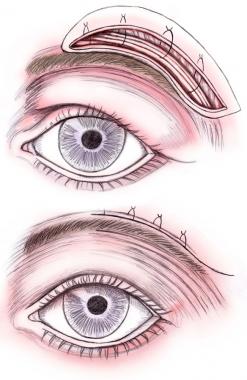
A brow lift, or forehead lift, is often performed in combination with a facelift or upper eyelid surgery (blepharoplasty), but it can be performed on its own. A brow lift involves the lifting and tightening of the forehead and surgical removal of any excess skin.

At Ocean Clinic Marbella we use two different methods to carry out a brow lift; the first is the direct excision brow lift, which involves portions of skin removed from directly above the eyebrows. The incisions are hidden within the hairline of the eyebrow. This surgically raises the eyebrows and the upper eyelids, in order to “open up” the eyes.


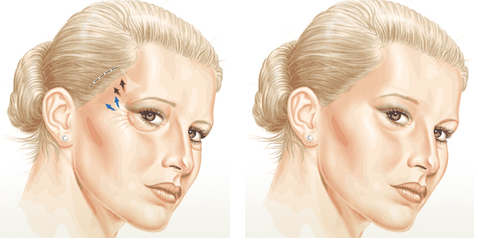
The second technique is called a temporal lift. This involves incisions made in the hairline near the temples.  As the procedure is carried out endoscopically, it is less invasive than the brow lift but it only lifts the outer tail of the brow. This technique helps to correct hooded eyelids and smooth crow’s feet, but won’t be as effective for a very heavy brow since it doesn’t alter the middle of the brow or forehead area.


The method we choose depends on individual factors such as your age, skin quality, the severity of sagging and whether you’re suffering from any asymmetry. We will assess your facial anatomy and bone structure to ensure your brows are placed in a natural, more youthful position. 

Both brow lifting procedures can be performed under local anaesthetic with sedation and you can return home the same day. The operation is safe, down time and recovery is rapid, although you may have experience some bruising and swelling. Scarring will fade within a few months.

The result of a brow lift is long-lasting, however, due to the nature of human aging, your skin will still lose elasticity as you get older, meaning it won’t last forever.

What is a Non-Surgical Brow Lift?

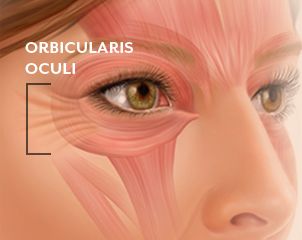
A non-surgical brow lift is performed using cosmetic injectable muscle relaxants. The muscle relaxant is injected into the orbicularis oculi muscle that surrounds the eye. By relaxing this muscle, downward force is released, allowing the forehead muscles to pull upwards and therefore elevate the eyebrows. This can also apply to the lateral brow (not the central brow) - using Ulthera we can stimulate the contraction of fibers of the fascia on top of the muscle which elevates the brow.  

Placing injections (Ulthera) at the ends of the eyebrows (lateral brow, not central) causes the fibers in the fascia on top of the muslce to contract and elevate the tail of the eyebrow which can help correct the sagging of the upper eyelids and leave you looking fresher and more awake.


This treatment is very straightforward, can be carried out in a matter of minutes, and requires no downtime. The results, compared to surgical brow lifts, are more subtle and much less permanent. The results typically lasts between three to six months (depending on the individual) after which, the muscle action returns and the brow will resume its previous position. Fillers can also be added to the posterior superior temples as well as forehead in order to reinflate the area and therefore create a lifted brow.  


Surgical or Non-Surgical Brow Lift - Which one is for you?

The procedure you choose will depend on your age, the severity of sagging, your expectations for the outcome, as well as budget. Drooping brows typically becomes apparent in our late thirties, although a low brow can be hereditary so it can also be seen in younger patients.

If you are only displaying early signs of skin laxity, injectables can be an effective treatment and may delay the need for surgery. In combination with the effect the injectable has on relieving forehead lines, crow’s feet and lines between the eyebrows, it can considerably freshen up a face. 

You might wish to experiment with the cosmetic injection and, if you like the results, opt for an endoscopic temporal lift in order to make the changes permanent. Injections need repeating several times a year and, while it’s considerably cheaper than a surgical brow lift, these costs clock up quickly. This can make surgery better value for money in the long run.

For older patients, with deep furrows in the forehead, pronounced eye hooding or a low-set brow, more extensive surgery is recommended since the results of cosmetic injection or an endoscopic temporal lift will be minimal. On the other hand, the result of an excision brow lift can be dramatic - you’ll no longer look tired or angry and it can take years off your appearance. 

For a full assessment of your forehead, brow and upper eyelids, make an appointment for a consultation with one of our highly experienced practitioners or surgeons. 

Friday, 22 July 2022

Want a facelift without the surgery?

If you're feeling like it is time to do something about the appearance of aging yet surgery is not something you're at ease with, how about looking into this non-surgical option? 


A Micro fat transfer offers a real alternative for facial rejuvenation without the need for any invasive surgery, and it’s suitable for both men and women. 


What is micro fat transfer?


Micro fat transfer is the process of grafting fat to the face using a micro injection technique. This approach allows small droplets of fat to be placed with extreme precision. The fat is carefully layered to restore volume in areas where it has been lost.


Grafting the fat in small quantities allows the surgeon to contour the face like an artist shaping clay. Fat can be placed exactly to plump out lines and wrinkles, and added bit by bit in delicate areas such as under the eye. Not only does this provide a better aesthetic result, but it also maximises the odds that the transplanted fat will gain a blood supply and become permanent tissue. 


Is micro fat transfer different to facial fillers?


With micro fat transfer, the fat is added very precisely, drop by drop, requiring a high level of skill. Volume is slowly built up until an optimal level is achieved, avoiding an “over-filled” look and a completely natural looking result.


In addition to this the material being used as a filler - your own body fat - is completely natural. It behaves naturally, with the correct texture and movement and avoids adding anything foreign or synthetic to your body; it’s simply a case of restoring fat to the areas where it used to be.  


Another major benefit to using transplanted fat over cosmetic fillers is that it’s a permanent solution. Whereas fillers are reabsorbed by the body and need to be repeated every 9-18 months, transplanted fat remains. It only diminishes with the natural ageing process. 


Am I a good candidate for micro fat transfer?


Volume loss is one of the earliest signs of ageing, usually beginning in our thirties. As this loss of volume continues, the face becomes thinner and the skin starts to loosen and sag. Imagine removing stuffing from a cushion; as the volume inside the cushion decreases, the fabric becomes lax and starts to wrinkle.  


The fat pads in our face are just like cushions and give us that soft, youthful fullness. The loss of these fat pads is the main reason we start to look older. It’s something we’ve only come to understand quite recently - and it means that we can start fending off the signs of ageing earlier than before.


Previously, a person might have waited until they had significant skin laxity, say in their sixties, to tackle the problem. A full facelift would be performed to tighten the skin, easing the appearance of wrinkling but nothing would be done to restore lost volume. Hence, the facelifts of yesteryear often looked somewhat unnatural. 


Now, a surgeon is able to assess a patient’s face to see where volume loss has occurred - and the knock-on effect that’s having. As soon as volume loss begins to occur, it can be “topped up” with fat taken from elsewhere on the body. This makes it a suitable treatment for younger people.


With that said, even more advanced volume loss can be treated with fat grafting. Older patients who don’t want a facelift can still see significant improvements when treated with transplanted fat alone. Meanwhile, older patients who combine surgical skin lifting with micro fat transfer can see incredible results. At Ocean Clinic, all our facelifts also include fat grafting. 


What areas can be treated with micro fat transfer?


Most commonly, fat loss starts in the cheeks and temples and this is when gravity begins to take effect, pulling everything else downwards. Restoring fat to these regions can help to pull the lower face back up into place. Fat can also be used to treat:


  • Thinning lips 

  • “Smokers’ lines” around the lips

  • Nasolabial folds or “marionette lines”

  • Hollows under the eye

  • Lack of definition around the jawline


When done throughout the entire face, it can restore a youthful roundness and make a person look younger, healthier and more energetic. 


How is micro fat transfer carried out?


The procedure is most commonly performed under local anaesthesia with light sedation. This means you don’t need to stay overnight in the clinic and eliminates the risk of general anaesthesia, which is often a concern for older patients.


A gentle liposuction technique is used to remove the fat from the donor site, which would usually be somewhere we typically store fat, like the tummy, “love handles” or “muffin tops”. To prepare the fat for transfer, we use a centrifuge, separating the fat from the oil, water and blood. 


The fat is placed into multiple syringes and then injected in the desired portion of the face. It’s built up layer by layer, until the perfect plumpness is achieved. Other than a very small incision at the fat harvesting site, no incisions are made in the face. 


How long is the recovery from micro fat transfer?


Patients who have had micro fat transfer can go home the same day with little discomfort and essentially no downtime. You’re usually able to return to work the following day, although we recommend taking some time off if you can as you may experience some bruising and swelling around the injection sites. 


Likewise, you’ll have some tenderness around the donor area and will need to wear compression bandages. Patients usually return to normal activity within a week to 10 days and the final result is seen a month after the treatment.


Want a facial assessment with a surgeon to see what micro fat transfer could do for you? Contact Ocean Clinic for an appointment.


Tuesday, 12 July 2022

What is the recovery like from Liposuction?


Recovering from Liposuction: all you need to know...

As one of the most popular cosmetic surgeries worldwide, Liposuction is performed thousands of times a year in Europe. Anyone considering liposuction must absolutely see a board-certified plastic surgeon, research the procedure and know what to expect from the surgery before going ahead. Liposuction should be something that will bring you body-confidence, in a safe and effective manner. It is a straightforward procedure with fairly low recovery time but it still involves major surgery and so it is vital to know how to prepare and manage this. Here we cover the post-op recovery outline for patients to keep in mind if considering liposuction.  


What is liposuction?


Liposuction is a body contouring, surgical procedure performed in order to permanently remove fat cells from certain areas of the body. At Ocean Clinic we use Water-Jet Assisted Liposuction (WAL) as it is a more gentle technique which helps to minimise swelling and bruising, pain, irritation and damage to blood vessels. 

Common areas for liposuction include: 

  • abdomen

  • hips

  • buttocks

  • thighs

Immediately after surgery and a few hours later you should experience some soreness. This can be reduced by encouraging blood circulation, so getting up and walking around gently is encouraged. 


Liposuction Recovery : Days 1 - 7

Pain Management

There will be some discomfort over the first few days after having had liposuction and there may well be prescribed medication to take to manage this as well as any swelling. This will all be outlined by your doctor for your individual case. 


Healing Aids

Compression garments are worn in order to aid swelling reduction as well as keeping everything in its new place. This should be worn as much as possible (not when bathing) or as instructed by your surgeon. Any incisions and drains will also need attention which your doctor will outline for you. 


Rest and Recuperation

Rest is imperative during these days to allow your body to recuperate, adjust to its new form and allow everything to settle. Asking a friend or family member to help to do the regular day-to-day would be advised to ensure you encourage the healing process effectively, though you may be able to manage light household activities, desk work, showering and driving at around 24hrs post op. 


Liposuction Recovery : Weeks 1 - 2 


At roughly the one week mark you should be feeling fit and able to return to ‘normal’ working life if this entails an office-type position. If work entails physical labour, this may not be advisable for about one more week. Your doctor can assess your individual recovery speed; this is just a general guideline. Your recovery garment should still be worn to ensure optimum results, as well as a more rapid recovery. 

Pain, swelling, discomfort and any soreness should be greatly reduced in most patients by the end of the first week or two. You could also opt for lymphatic massage at this point, to aid with the swelling.


Liposuction Recovery : Month 1 - 2 


There should be no more pain or discomfort at all during this period of your recovery, although there may be slight swelling or bruising at any surgical sites, though these ought to be minimal by now if present. This is the time that your results should be shining through, although try to be patient if you are still experiencing any swelling, it varies from person to person. Light exercise can now be entertained with caution, and do speak to your doctor before embarking on any intense activities. 


Liposuction Recovery : Month 2 + 


From this point on you should be, or start to be, feeling fully recovered and your final results should be emerging. The compression garment can now be discarded even if you are still experiencing slight swelling; again, speak to your doctor for individual assurance. Exercise can now resume as normal. 

Be aware of your body, how you feel and pay close attention to your surgeon’s advice, have patience if you feel your recovery is taking longer than you hoped and allow your body to take the time it needs to adjust to its new shape and size. 


Talk to us! 

Contact our expert team of professionals HERE for a consultation or any further information on Liposuction.