Monday, 8 May 2023

Which is the best Breast Implant Placement Technique for me?

With more than one option when it comes to implant placement, it is important to know which would be best for you. 

Deciding on where the implant will be placed is a delicate and vital factor in the overall outcome of a breast augmentation. 

The choice of pocket placement for breast implant insertion, i.e. where your implant will be placed, depends on factors such as the patient's anatomy, their desired breast size and shape, their existing breast tissue, and personal preferences. All such factors would be evaluated during a consultation with your surgeon. 

There are a variety of methods used when placing implants. Depending on the above, one of the following techniques will be selected to suit each patient's individual requirements.

What is a Subglandular Breast Implant Placement:  

Subglandular placement refers to the implant being inserted above the muscle (between the breast tissue and the muscle - see figure 1). This method results in less post-operative tenderness but increases the risk of a less natural looking breast and rippling at the edges of the implant which can become visible. With subglandular implant placement there is also a higher risk of capsular contracture. 


fig. 1. Subglandular breast implant placement location


What is Capsular Contracture?

Capsular contracture is a complication that can occur after breast implant surgery, where scar tissue (capsule) forms around the implant and becomes thick, tight (contracts), and sometimes painful. This can cause the breast to feel hard, distorted, and uncomfortable.

Why is there a higher risk of capsular contracture with subglandular breast implants?

When breast implants are placed at a subglandular level, they are positioned between the breast tissue and the chest muscle. In this placement, the implant is in direct contact with the breast tissue, which can increase the risk of capsular contracture. The breast tissue can be more reactive to the implant, leading to the formation of a thicker and tighter scar tissue capsule.

Factors that may contribute to capsular contracture include the type of implant used, the size of the implant, the patient's healing response, and the surgical technique used to place the implant. Capsular contracture can range from mild to severe and can occur at any time after surgery, from weeks to years later.

If capsular contracture occurs, treatment options may include massage, medication, or in severe cases, surgical removal or replacement of the implant. In some cases, changing the placement of the implant from subglandular to submuscular (under the chest muscle) may be recommended to reduce the risk of recurrence.

How high is the risk of capsular contracture in subgladnular implants? 

The risk of capsular contracture in subglandular breast implants is higher compared to when the implants are placed under the chest muscle (submuscular placement). However, the exact risk can vary depending on several factors, such as how well the individual heals, the type of implant used, and the techniques applied during surgery.

Studies have reported the risk of capsular contracture in subglandular breast implants to be around 10-20%, although this can vary widely. It is important to note that capsular contracture is not predictable, and some patients may develop it even with the best surgical technique and proper care.

How can I reduce the risk of capsular contracture?

To reduce the risk of capsular contracture, surgeons may recommend various measures such as using textured implants or performing meticulous surgical techniques. As a patient, one can also take measures to reduce the risk, such as following postoperative care instructions closely, avoiding activities that can cause trauma to the breast, and attending all follow-up appointments with their surgeon.

What is a Submuscular Breast Implant Placement?

The submuscular technique was developed in order to reduce the risk of capsular contracture, to provide a more natural looking post-surgery breast, and to decrease the visibility, palpability and rippling of the implant itself. The submuscular method means that the implant is placed underneath the chest muscle. 


Disadvantages involved in a submuscular breast implant placement are that the recovery period can be slightly longer, post-operative tenderness may be increased, and on occasion a 'high-riding' positioning of the implant may occur within the chest pocket. 


fig. 2. Submuscular breast implant location


What is a Dual Plane Breast Implant Placement?


The dual plane technique is a breast augmentation surgical method in which the breast implant is placed under the pectoral muscle (upper pole of the breast) and partially under the breast tissue (lower pole of the breast). This method can help prevent constrictions of the lower pole of the breast.


In the dual plane technique, the lower edge of the pectoral muscle is released from its attachment to the chest wall, allowing the lower pole of the breast to expand and relax. The breast implant is then inserted partially under the breast tissue in the lower pole. By doing so, the implant can be better supported by the muscle and not put as much pressure on the lower pole of the breast.


This technique can help reduce the risk of implant malposition , 'high-riding', or displacement and can also result in a more natural-looking breast shape with a lower risk of constrictions in the lower pole of the breast.


For more information on Ocean Clinic's breast augmentation procedures please contact us today or book a consultation to discuss your options further. 


fig. 3. dual plane implant location. 

Friday, 28 April 2023

How to get the most natural looking breast implants

How can I make sure my new breasts look natural?

Any successful breast augmentation relies on personal requirements being met and aesthetic outcomes being delivered, the latest trend worldwide is to achieve the most natural look possible. But how can we ensure that is what we are going to get? What do we need to consider?


Every case is individual, however, there are some particular criteria which can objectively and effectively result in a natural outcome. The surgeon will be aiming to achieve certain anatomical goals; a gentle slope between the collar bone and the nipple area, a straight or mildly upturning angle to the nipple protrusion, the cleavage should be balanced both medially and laterally, for example. 


These are all factors to be analysed and approached during surgery, but there are other key things you can personally consider when seeking that natural look…


SIZE - It is vital that the body size compliments the new breast; proportion is vital in presenting a natural appearance. 


Consider your natural breast size as well as your body frame and shape - to increase or decrease the breast by a drastic amount will bring dramatic results rather than appear in keeping with your existing figure. That being said, if a person were to have wide hips and curvaceous buttocks then their natural figure could potentially carry a heavier breast without looking out of proportion, though it needs to be considered that this could create an overall larger body shape. 


For a smaller frame, a large breast may look oddly out of proportion and result in discomfort from carrying more weight. Finding the right balance for your body is imperative. An experienced surgeon will be knowledgable when it comes to body size and shape and able to recommend a proportional and appropriate sized implant for you depending on your personal requirements. 


The size is also affected by the breadth of the body, too large an implant for a small chest width for example, will result in an abnormal looking outcome. Wider hips and chests can carry a larger breast, whereas slim hips and a slender chest would look disproportionate and unnatural. For women who have breastfed or suffer from a reduced ‘empty’ looking breasts since pregnancy, the implant can be considered more a reconstruction or ‘refill’ of the breast to replace that which was lost. 


Consultation, analysis and measurements all taken in your pre surgery meetings will be when all the above is considered and deliberated - requiring a balance of science, experience and artistry by your surgeon. 


SHAPE - There are various implant shapes to choose from, and of course if fat grafting is going to be included in your surgery this adds another level of variables when it comes to the shape of your new breasts. It all depends on your desired outcome and anatomy as to which shape works the best for your situation. 


PROFILE - The profile of your new breast is a vital factor in how natural it looks - the profile is the projection of the breast from the side; how far it extends from the body outwards. Implants with the same volume do have different projections, which ultimately alters the look of the breast.  


PLACEMENT - The last factor to consider is implant placement; where will the implant look more natural? If placed beneath the muscle it can leave the existing breast atop the implant resulting in simply a fuller, yet similar appearance and therefore give a more natural result. Implants placed above the muscle can look like implants as they are directly beneath the skin making their shape visible. 


This also of course depends on the individual case as some women with the implant placed below the muscle feel that the movement of the muscle becomes more unnatural looking when the breast implant moves with it - this does not happen without an implant and so seems to be a less natural result. This is all a discussion to be had with the surgeon who will be able to answer any related questions and predict the outcome of specific scenarios dependant on your personal anatomy. 


For a consultation with our incredible team, please contact Ocean Clinic and discover your breast implant options…


Breast Augmentation Mammoplasty - Marbella & Madrid

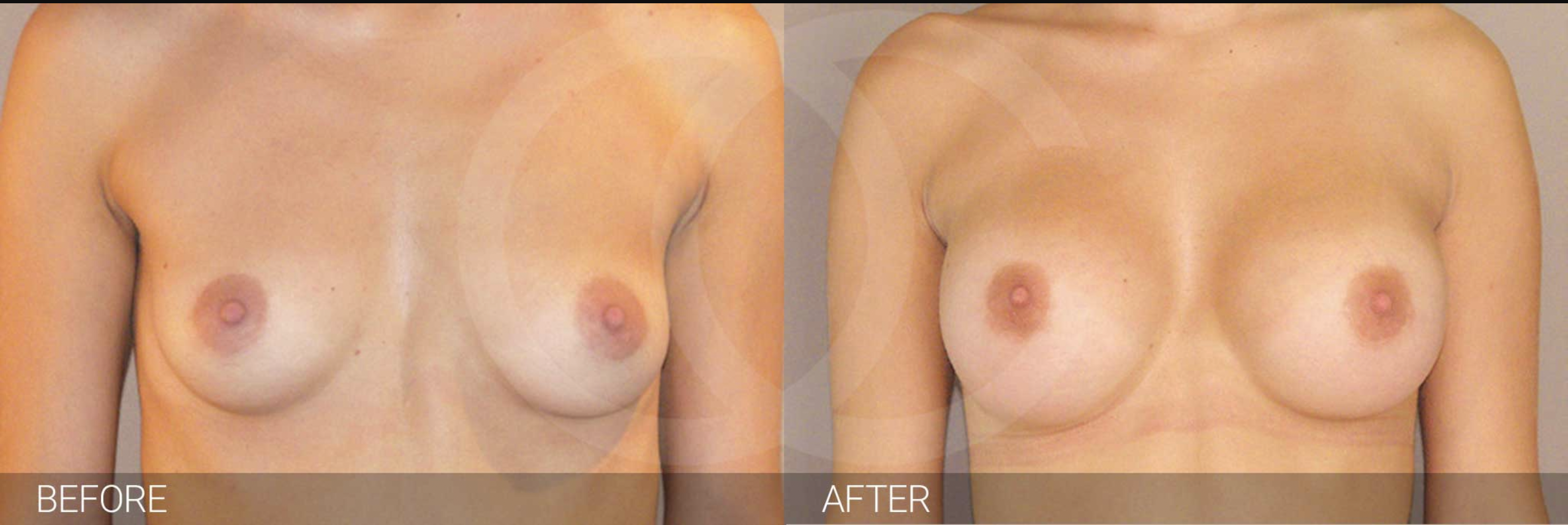
A breast augmentation with silicon implants is effective and safe. For over 50 years, it has been, and continues to be, one of the most common procedures in our field. We use a selection of brands (Motiva, Polytech, B - Lite), each with their specific characteristics and advantages. The choice of brand, as well as the size and the shape of the implants, is tailored to your preferences and unique anatomy.

Pre-operative considerations include the positioning of the implants and, if suitable, possible complementary measures such as a breast lift and /or a fat transfer. Our consultation, regarding the technique and the nature of implants, will result in a 3D simulation of your projected outcome. Your thoroughly informed consent and enthusiasm are paramount in obtaining the breast you desire. Most importantly, a thoughtful and honest exchange between us is essential for us to truly understand and realise your wishes.

Tuesday, 25 April 2023

ANTI-AGING TECHNIQUES TO PROTECT FACIAL EXPRESSIONS


Why and how Anti-aging Aesthetic Techniques are Improving to Preserve our Facial Expressions...

In a world of aesthetic desire, the face is the most prominent part of the body requiring maintenance and in demand for anti-aging treatments. We want to look our best and there are procedures out there which help us to do so. BUT. Many facial aesthetic procedures have been negatively received for reducing the ability of patients to show expression - when the glabella muscles are deactivated, for example, we can’t frown!

Why is it so important that humans display facial expressions?

Communication: Facial expressions are a crucial part of nonverbal communication. They convey emotions, intentions, and attitudes that words alone cannot express. We utilise facial expressions to understand the emotional state of others and to communicate our feelings.


Social interaction: Facial expressions play an important role in social interaction. They help us to form connections with others, build relationships, and establish trust. For example, a smile can signal friendliness and openness, while a frown can indicate disapproval or anger.


Survival: Facial expressions are also important for survival. They can signal danger or threat, which can help us to avoid potentially harmful situations. For example, a look of fear can alert others to the presence of danger, while a look of disgust can signal that something is unsafe or unhealthy.


Health: Research has shown that facial expressions can have an impact on our physical and mental health. For example, smiling can reduce stress and boost mood, while frowning can increase tension and negative emotions.


So how do we preserve these vital emotional displays when approaching facial anti-aging procedures?


New techniques in aesthetic treatments are focused on achieving natural-looking results that preserve the patient's facial expressions. These techniques are designed to enhance the patient's appearance while maintaining the integrity of their facial muscles and features.

One example of a technique that allows for the maintenance of facial expression is by way of neuromodulator injections. These work by blocking nerve signals to specific muscles (chemical denervation), thus reducing the appearance of wrinkles and fine lines without affecting the patient's ability to make facial expressions. By targeting only specific muscles, using and applying advanced techniques, the patient's natural facial expressions can still be maintained.

Moreover, advances in technology have led to the development of non-invasive procedures such as radiofrequency and laser treatments. These procedures stimulate collagen production, tighten the skin, and reduce the appearance of wrinkles and fine lines. Non-invasive procedures allow patients to achieve natural-looking results without affecting their facial expressions.

Overall, new techniques in aesthetic treatments are focused on achieving natural-looking results that preserve the patient's facial expressions. By using targeted treatments and advanced technology, patients can enhance their appearance while maintaining their unique facial features and expressions. These treatments must always be carried out by a professional, qualified and experienced practitioner to be able to achieve the results described here. To fully and scientifically understand the anatomy of the face, as well as recognise individual structure, is an art as well as a skill. 


At Ocean Clinic, a holistic approach is always adopted when it comes to facial treatments taking into account the patient’s expectations, the severity level of their case, the anatomy of the individual, the order in which to proceed with regions and layers of the face, the depth at which the dermis requires attention for the best results, minimising the amount of product required, and looking at the longer term plan for maintaining the desired look. 


  HIGHLY EFFECTIVE AESTHETIC TREATMENT


 The term used at Ocean Clinic for this type of combination procedure is   HEAT - Highly Effective Aesthetic Treatment. ‘HEAT’ is a concept created to   make the best choices for an individual patient, using the least amount of   product to achieve the best results in the shortest amount of time - thus   making the treatments as highly effective as possible. 


  To provide highly effective treatments is of course always the aim - however   when we administer a treatment, whatever that treatment may be, we want   the results to be the most effective possible, and this includes maintaining a   natural look whereby facial expression is not compromised for results. 


 “Throughout my career I have learnt to recognize that many products can be delivered using the same device; a cannula to administer a filler for example, but if you do not study and understand the behaviour of each product inside the body, how it reacts, where it is positioned, the layer at which you administer it, etc. you can end up using much more product with a far less effective outcome - considering facial expression is vital during this process. So HEAT, for me, means that I know exactly where my target is, how my product will behave once inside the treatment area, and how to get the best use of the product using the least amount possible within the least amount of time possible (least number of sessions, least amount of product administered and achieve the best results).” Says Dr Gabriela Casabona, head of the aesthetic department, Ocean Clinic, Marbella. 


Contact the team at Ocean Clinic for more information on our combination procedures. 

Thursday, 30 March 2023

FACIAL REJUVENATION WITH FAT INJECTIONS - WHICH ARE THE MOST EFFECTIVE?

 FACIAL FAT GRAFTING - ARE STEM CELL ENRICHED FAT INJECTIONS MORE EFFECTIVE THAN PURE FAT INJECTIONS? 


As we age, our skin loses elasticity, volume, and hydration, leading to wrinkles, skin laxity, and hollowing across the face. Over time, these changes can make us look older than we feel. There are several treatments available to address these age-related developments, including injectable fillers such as fat injections and fat injections enriched with stem cells.

Fat injections, also known as autologous fat grafting or fat transfer, involve the removal of fat from one area of the body which has excess available, such as the abdomen or thighs, and injecting it into the face to restore volume and reduce wrinkles and laxity. The procedure is relatively simple and involves minimal downtime. It is a very effective procedure but it is important to note that a small percentage of the fat will not survive meaning that multiple treatments may be required to achieve the desired result.

Fat injections enriched with stem cells, on the other hand, involve the same procedure as fat injections but with an additional step. The fat is first processed to extract stem cells, which are then combined with the fat before being injected into the face. Stem cells have the potential to differentiate into various types of cells, including skin cells, and help promote tissue regeneration and healing. 


before (left) and after (right) facial fat grafting


What are stem cells and how do they work? 


Stem cells are unique cells in the body that have the ability to differentiate into a variety of different cell types, and they also have the ability to self-renew. This makes them an important tool for tissue regeneration as they can potentially be used to replace damaged or diseased cells in our bodily tissue.

When stem cells are transplanted into a damaged tissue, they can differentiate into the specific cell types needed to repair that tissue.

Stem cells can also promote tissue regeneration through the secretion of growth factors and other signalling molecules that can help stimulate the growth and differentiation of surrounding cells. These signals can help to recruit other stem cells and progenitor cells to the site of tissue damage, and can also help to stimulate the growth of new blood vessels to supply nutrients and oxygen to the healing tissue.

This has led some to suggest that enriched fat injections with stem cells may have a greater effect on repairing age-related changes on the face than pure fat injections.

So, what does the evidence say about the effectiveness of these treatments?


A study published in the Aesthetic Surgery Journal compared the effectiveness of pure fat injections and enriched fat injections with stem cells in treating facial volume loss in 20 patients. The results showed that both treatments led to significant improvements in volume and contour, but there was no significant difference between the two treatments. Another study published in the Journal of Craniofacial Surgery compared the two treatments in 32 patients and found similar results. Both treatments led to significant improvements in volume and contour, but there was no significant difference between the two treatments.

However, other studies have suggested that enriched fat injections with stem cells may have some advantages over pure fat injections. For example, a study published in the Journal of Cosmetic Dermatology compared the effectiveness of pure fat injections and enriched fat injections with stem cells in treating facial wrinkles in 30 patients. The results showed that enriched fat injections with stem cells led to greater improvements in wrinkle severity and skin quality than pure fat injections. Similarly, a study published in the Journal of Drugs in Dermatology compared the two treatments in 21 patients and found that enriched fat injections with stem cells led to greater improvements in skin texture, thickness, and elasticity than pure fat injections.

The Journal of Plastic, Reconstructive & Aesthetic Surgery in 2013 study found that enriched fat injections resulted in better long-term outcomes compared to traditional fat injections. The researchers followed 10 patients who received enriched fat injections and found that they had more stable and longer-lasting results compared to patients who received traditional fat injections.

The Journal of Cosmetic and Laser Therapy in 2017 published a study that compared enriched fat injections to traditional fat injections in 20 patients. The researchers found that enriched fat injections resulted in better improvement in skin texture and quality compared to traditional fat injections. 

A 2021 study published in the Aesthetic Plastic Surgery journal compared the outcomes of enriched fat injections with stem cells to traditional fat injections for facial rejuvenation. The study found that the enriched fat injections produced superior results, with better retention of volume and a more natural appearance.

Another 2021 study published in the Journal of Cosmetic Dermatology compared the use of enriched fat injections with stem cells to hyaluronic acid fillers for facial rejuvenation. The study found that the enriched fat injections produced longer-lasting results with fewer side effects.

The National Library of Medicine published study results that looked at 80 patients with facial contour deformities associated with pigmentary changes. The patients who received enriched fat injections were significantly more satisfied as compared with patients treated with conventional fat grafts.

It is important to note that the results may vary depending on the individual patient and the specific technique used in the procedure.

While these studies suggest that enriched fat injections with stem cells may have some advantages over pure fat injections, more research is needed to fully confirm this, as well as understand the benefits and potential risks of this procedure. It is important to consult with a qualified and experienced plastic surgeon to determine whether this treatment is appropriate for your individual needs and goals; contact Ocean Clinic’s highly experienced team to find out more about your facial fat grafting options. 

Tuesday, 21 March 2023

HOW DO YOU STOP YOUR FACE FROM AGING?

IS THERE ANYTHING WE CAN DO TO PREVENT OR SLOW DOWN THE PROCESS OF FACIAL AGING?


As we age, our skin goes through a natural process of changes that affects its overall appearance and structure. These changes occur due to a combination of factors such as genetics, lifestyle habits, and environmental factors.

One of the primary causes of facial aging is the loss of collagen and elastin, which are proteins that give the skin its firmness and elasticity. As we age, the production of these proteins slows down, causing the skin to become thinner and less elastic. This results in the formation of wrinkles, fine lines, and laxity or ‘sagging’ skin.


Another factor that contributes to facial aging is a decrease in the production of natural oils, leading to dryness and roughness. The reduction in the amount of subcutaneous fat can also lead to a sunken and hollow appearance.


Furthermore, the cumulative effects of exposure to the sun's harmful UV rays and other environmental pollutants can damage the skin's cells and, as a result, accelerate the aging process. This can develop age spots to appear, an uneven skin tone, and a dull complexion.

Additionally, lifestyle habits such as smoking and poor diet - lack of nutrition - can also contribute to premature aging of the skin.


Overall, the aging process in the face is a complex interplay of various biological and environmental factors that can lead to changes in the skin's appearance and structure.


What can we do to prevent facial ageing? 


While some of these changes are inevitable, adopting a healthy lifestyle and taking good care of the skin can help slow down the aging process and promote a more youthful appearance.

While aging is a natural process that we cannot completely prevent, there are certain steps we can take to slow down the visible signs of aging on our face:

  1. Protect your skin from the sun: The sun's harmful UV rays are one of the primary causes of premature aging. Wear a broad-spectrum sunscreen with an SPF of at least 30, seek shade during peak hours of the day, and wear a hat and sunglasses to protect your skin and eyes.
  2. Practice good skincare: Develop a daily skincare routine that includes cleansing, moisturizing, and exfoliating your skin. Use products that contain antioxidants and peptides, which can help reduce the signs of aging.
  3. Stay hydrated: Drink plenty of water to keep your skin hydrated and plump. Dehydrated skin can appear dull and dry, which can accentuate fine lines and wrinkles.
  4. Eat a healthy diet: Eating a diet rich in antioxidants, healthy fats, and vitamins can help improve your skin's health and reduce the signs of aging.
  5. Get enough sleep: Lack of sleep can contribute to premature aging by increasing stress hormones, which can damage collagen and elastin in your skin. Aim for at least seven to eight hours of uninterrupted sleep per night.
  6. Avoid smoking and excessive alcohol consumption: Smoking and excessive alcohol consumption can contribute to premature aging by causing wrinkles, dryness, and other skin damage. Opt for a healthy lifestyle and protect your skin from the inside. 
  7. Exercise: Keeping fit by regular exercise can help to prevent facial aging by improving circulation, reducing stress, increasing collagen production, boosting lymphatic drainage, and improving muscle tone.


Are there any topical creams or supplements that can help prevent ageing?


There are several scientifically proven creams, medications, supplements, and topical lotions that can help prevent aging to some extent. However, it is important to note that aging is a natural and inevitable process, and while these products can slow down or mask the visible signs of aging, nothing will completely stop or reverse it. 


Some common anti-aging ingredients found in skincare products include retinoids, vitamin C, alpha-hydroxy acids, hyaluronic acid, glycolic acid, peptides, and antioxidants. These ingredients have been shown to reduce the appearance of fine lines, wrinkles, and age spots, improve skin texture and tone, and increase collagen production.


There are also oral supplements such as collagen, hyaluronic acid, and antioxidants that have been marketed for their anti-aging effects. However, the efficacy of these supplements is still under debate, and more research is needed to determine their effectiveness.


It is always important to consult with a dermatologist or healthcare practitioner before starting any new skincare routine, medication, or supplement, as they can provide personalized recommendations based on individual needs and health status.


What non-surgical skincare can I opt for to help prevent ageing?


At Ocean Clinic we offer a vast range of non-surgical aesthetic treatments to choose from, depending on the individual case we often recommend a combination of procedures for the optimal outcome. Some of the most popular are; 


  1. Cosmetic Injections: These are neurotoxins that are injected into the skin to relax the facial muscles, thereby reducing the appearance of wrinkles and fine lines. Regular injections can help prevent the formation of wrinkles by keeping the muscles in a relaxed state.
  2. Dermal Fillers: Dermal fillers involve injections of hyaluronic acid or other materials that are used to restore volume to areas of the face that have lost elasticity due to aging. By restoring volume, dermal fillers can help prevent the appearance of wrinkles and fine lines.
  3. Chemical Peels: Chemical peels involve applying a solution to the skin that exfoliates and removes the outer layers of dead skin cells. This process can stimulate collagen production, which can help reduce the appearance of wrinkles and fine lines.
  4. Laser Treatments: Laser treatments use light energy to stimulate collagen production, which can help improve skin elasticity and reduce the appearance of wrinkles and fine lines.
  5. Microneedling: Microneedling involves using a handheld device with tiny needles that puncture the skin. This works by stimulating the production of collagen and elastin and can help reduce the appearance of wrinkles and fine lines over time.


Contact our team of professional anti-aging dermatologists at Ocean Clinic to create the ideal combination of treatments for your individual skin type and requirements.