Wednesday, 26 June 2019

Marbella vs Madrid - Which Would You Choose?

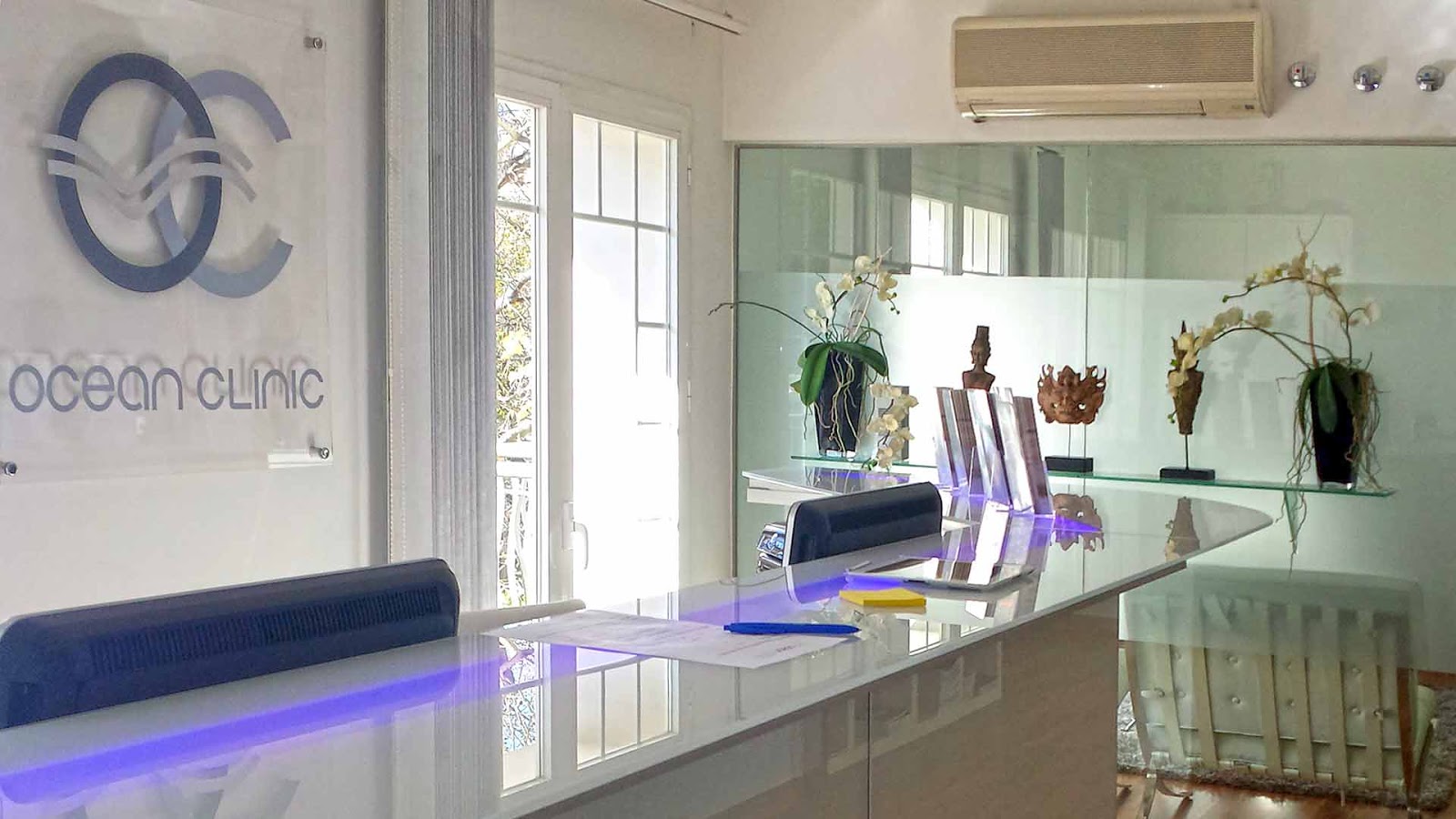
Ocean Clinic patients now have two fantastic locations to choose from - we have world-class facilities in Marbella on the Costa del Sol and in Madrid, Spain’s capital.


Not sure where you’d rather travel to for treatment? To help you make your mind up, here’s what you can expect in both destinations.


Climate 


Marbella - The Costa del Sol’s climate is a big part of its appeal. Located in southern Spain - the sunniest region of the country - the Costa del Sol enjoys more than 320 days of sunshine each year (hence the name). Even in winter you can enjoy very mild temperatures and blue skies making it a pleasant place to recover post-treatment.


Vs


Madrid - Madrid’s weather is a little more seasonal, with hot summers and cold winters. However, the climate in Madrid is low in humidity, which means high temperatures aren’t so hard to tolerate. Likewise, even when the mercury dips in the winter you’ll still be able to enjoy  warming midday sun. Because there is little rainfall, cloudless skies are very common all year round. 


Surroundings


Marbella - La Concha mountain provides a stunning backdrop, while the Mediterranean sea embraces the city from the front. Marbella boasts a fabulous selection of golden sand beaches and two marinas. Puerto Banus is renowned for its glitzy designer shops, super yachts and super cars, but traditional Spanish charm is on offer in Plaza de los Naranjos (Orange Square) and the cobbled streets of the Old Town.


Vs


Madrid - Madrid is an electric city, buzzing with life. Culture lovers can indulge in first class museums such as the Prado, Thyssen-Bornemisza and Reina Sofia, while those who want to take it easy, can stroll the city’s green parks and sample its many tapas bars, delis and cafés. Madrid has some of the best shopping in Spain, from quirky boutiques to big brands, as well as non-stop nightlife.


Cuisine 


Marbella - While the north is heavily influenced by French cuisine, Andalucía, located on the southernmost tip of the Iberian Peninsula, has an altogether different flavour. Typical dishes include gambas pil pil (garlic and chilli prawns served in sizzling olive oil), espetos de sardinas (skewered sardines roasted over an open flame) and boquerones (deep-fried marinated anchovies).


Vs


Madrid - Madrid is a melting pot of food from every region of Spain - there’s an amazing array of restaurants and bars to choose from. Dishes the capital is famed for include cocido madrileño (traditional Spanish stew with chickpeas, chorizo sausage, and pork), huevos rotos (freshly-fried potatoes topped with perfect over-easy eggs) and churros con chocolate (fried doughnut noodles dipped in melted chocolate).


Clinic


Marbella - Ocean Clinic Marbella is located in the heart of the Old Town overlooking the city’s iconic Alameda Park. It is one of the few clinics in the region to have its own in-house operating theatre with the latest surgical equipment. It also boasts comfortable and modern guest rooms each featuring an en suite bathroom, flat screen TV, Wi-Fi, and large sofa for visitors. Ocean Clinic Marbella is headed up by Dr. Kai Kaye, a board-certified plastic surgeon in Germany, Spain and the UK, and a well known lecturer.


Vs


Madrid - The recently opened Ocean Clinic Madrid is situated on the grand boulevard of Velazquez, known for being a centre of plastic and cosmetic surgery. The clinic itself is housed in an elegant historic building, which has been luxuriously renovated. It provides a discreet location for consultations, minor surgeries and injectables, while procedures under sedation or full anaesthesia are performed in two nearby hospitals. Ocean Clinic Marbella is overseen by Dr. Richard Fakin, a board-certified plastic surgeon in Spain and Switzerland, and associate professor at The University of Zurich.


Made your choice? Visit our website to make an appointment at either location or arrange an online consultation.

Friday, 14 June 2019

Lipoedema: The Condition You May Not Realise You Have and How to Treat it

Lipoedema, a condition that causes abnormal swelling and fat deposits on women's legs, is thought to affect around 11% of females across the world. But the real number could be much higher.


This is why it is often misdiagnosed as obesity. In many cases women are too embarrassed to go to their doctor because they think they’re simply overweight and will be shamed for eating too much. In reality, there’s nothing they can do to prevent this condition.

Could I have lipoedema?


Lipoedema (also known as lipedema) is a chronic condition where there's an abnormal build up of fat cells in the legs, thighs and hips, and sometimes also in the arms. There are three main episodes in a woman's life when symptoms start; puberty, during pregnancy and menopause, but most women first notice a problem between the ages of 18-25 years.

In the beginning, limbs become swollen, spongy and feel heavy. Next, they become lumpy with fat deposits that resemble cellulite but are firmer. As the condition progresses, the deposits of hard fat grow larger and can become painful. Eventually mobility is affected as it becomes uncomfortable to walk or stand for too long. Balance is also impaired meaning you might become more clumsy.

One indication that you are suffering from lipoedema is if your lower body region is size-wise out of proportion compared to the rest of your body - giving your figure an exaggerated pear shape. You may have tried dieting without making any difference. Another sign is that the skin feels cold to the touch and bruises very easily.

What causes lipoedema?


Little is known about lipoedema but it is thought to be a hereditary condition linked to hormones. It is possible for the condition to skip a generation, so you could inherit it from your grandmother, even if your mother isn’t affected. Unfortunately there's no cure for lipoedema at the moment.

How can lipoedema be treated?


Right now, the most effective way to treat this tissue enlargement caused by lipoedema is with liposuction. Studies have found that using liposuction in patients with lipoedema reduces tissue bulk, pain and bruising, and improves mobility, functioning and quality of life (Reich-Schupke et al 2012; Peled & Kappos, 2016).

At Ocean Clinic Group we use a special type of water-jet assisted liposuction (WAL), known commercially as Body-jet, which is an especially gentle and effective method. Fat is detached using a fan-shaped water-jet, and then removed through aspiration.
The benefit of this type of liposuction is that the surrounding tissue, nerves, lymph vessels and blood vessels experience far less trauma, which is extremely important in the treatment of lipoedema. It means there will be quicker wound healing and recovery, and less pain and discomfort, while the risk of complications is also reduced.

Typically, 1.5 to 6.5 litres of fat can be removed per liposuction session. Most patients will require two to three operations to complete treatment.
Before

After

Why is WAL is the best choice for treating lipoedema? 


Water-jet assisted liposuction ensures that no damage occurs to the body’s lymphatic system. In lipoedema patients this is particularly important because the flow of lymph fluid within the lymphatic system is vital to reducing oedema (fluid build up). 
Unlike other types of liposuction, water-jet assisted liposuction can be performed under local tumescent anesthesia (not general anesthesia), which further protects the lymphatic system against stress. 
Research shows lymph-sparing WAL liposuction yields good long term results in reduction of lipoedema pain and in stopping the progression of this disease (Stutz & Krahl, 2008; Rapprich et al., 2011, 2012).
 

What is the after care following liposuction for lipoedema?

Following liposuction you will be required to wear compression garments. These may only be necessary for a few weeks in early-stage cases, but more advanced cases require long-term use of compression garments.
Compression garments encourage the blood- and lymph fluid flow and therefore help to prevent the worsening of lipoedema symptoms. The garments also encourage fluid within the tissues to move towards the root of the limb, where it can be drained away more easily.

If you receive liposuction surgery at Ocean Clinic, we will also arrange a course of lymphatic drainage massage and ultrasound therapy sessions. These treatments are used to stimulate lymphatic flow, help to reduce fluid build up, reduce swelling and speed up healing.
 

What are the long term results from liposuction for lipoedema?

Liposuction can’t cure lipoedema but it can treat and manage the symptoms. It can greatly improve the appearance of affected limbs, but the results offered by this treatment are more than cosmetic. Removing excess fat will alleviate pain, increase mobility and and prevent the progression of lipoedema which can severely limit a patient’s daily activities.
The longer term benefits are evidenced by a study of 112 patients, who had prior undergone tumescent liposuction. Hereby positive changes could be found in seven parameters. These included pain, bruising, oedema, mobility and quality of life (Schmeller et al, 2012; Baumgartner et al; 2016).
Before

After

How can I get liposuction treatment for lipoedema? 

While experts agree that liposuction for lipoedema is not a cosmetic procedure but something that is medically necessary, most national health services and private health insurance providers are unwilling to cover this treatment. 
Even when liposuction is available through the national health service, it’s likely patients will have to join a long waiting list. Unfortunately, as the condition can develop rapidly, this can result in patients becoming increasingly immobile. The best outcomes can be achieved when the condition is treated in its early stages, so if you believe you may have lipoedema, it’s important to try to get a diagnosis as soon as possible.

If you have been diagnosed with lipoedema, consulting with a plastic surgeon will help you understand what can be done in your case and the cost of treatment. Armed with this knowledge, you can take control of your future. Many clinics, including Ocean Clinic, offer payment plans, to help you manage the cost.  

Contact Ocean Clinic Group for a consultation at our Marbella, Madrid or Zurich clinics.

Tuesday, 29 January 2019

Why Tooth Whitening Might Leave You Feeling Down in the Mouth

You don’t have to look far to find a special offer for tooth whitening - many dental clinics on the Costa del Sol promise pearly white teeth for bargain prices. It can seem very tempting. However, before you part with your money, it’s worth considering if it’s actually the best option for you.


Tooth whitening has its limitations, as any good dentist should tell you, and that’s what we’re going to look at in this article.

Understanding why your teeth are discoloured

There can be numerous reasons why your teeth are not as white as you would like them to be. The first is simply your genetics - teeth come in 28 naturally occurring shades, ranging from butter yellow to grey. It’s extremely rare to find pure white natural teeth; the dazzling smiles we see in toothpaste adverts and on Hollywood movie stars are usually produced artificially.


While your base tooth colour is genetically determined, your shade will change as you go through life due to external and internal factors. Staining to the enamel (the tooth’s hard outer surface) comes from consuming food and drink with vivid pigments, such as red wine, coffee and curry. Tobacco is also a major culprit when it comes to discolouring the enamel.

However, not all stains are purely on the surface; some come from within. If there has been internal damage to your tooth such as deep decay or a blow to the tooth then it may discolour due to the pathology.

In addition, over time the dentine inside your tooth can naturally start to show through. The dentine is the sensitive tissue that lies just below your enamel and it is naturally darker and more yellow in colour. If your tooth enamel has worn thin, due to trauma, exposure to certain medications or decay, then this layer may become visible. Also, as you get older your dentine gets darker, thus your teeth may look significantly discoloured with ageing, through no fault of your own.

Whitening is not a magic wand

Unfortunately, if you have thinning enamel, whitening may not be the best solution for your problem - in fact it could make it worse. The chemicals used in whitening treatments can cause sensitivity for those teeth which have very thin enamel layers.

The potential of teeth whitening to cause damage has led to the phasing out of the whitening lamp (traditionally used to accelerate the bleaching process). Studies have found that the additional heat can cause the teeth to become dehydrated, resulting in more sensitivity, and its actual benefits for the results are minimal.

Whitening also doesn’t change the colour of crowns or fillings so if you have had previous work done to your natural teeth this might not be a good option for you.

Putting negatives to one side, it’s also important to be realistic about the results tooth whitening can achieve. You can expect to go a few shades lighter, but the result will depend on your starting colour. If you have naturally greyish teeth, for example, you’ll lighten up a little but you won’t suddenly obtain an ice white smile. In addition if you have uneven or patchy tooth colour, for example white spots, whitening will not even the colour and could actually make the differences more apparent.

Exploring other options

If you don’t like the colour of your teeth, there are other options besides whitening. First and foremost, if you have staining to your enamel seek out a professional clean. Most surface stains can be removed in this way, taking you back to your original colour.


If your natural colour is not pleasing to you, or if you have dentine showing through, you can reliably change the shade of your teeth with porcelain veneers or crowns. While this can be a bit more of an investment in money and time, with advances in technology, ultra-thin veneers can sometimes be fitted in as little as two visits. With porcelain you are in complete control in choosing the shade you desire.

The additional benefit of veneers and crowns is the opportunity they offer for improving other aesthetic aspects of your smile. For example, if you have chipped, misaligned or uneven teeth, this can all be fixed at the same time, at no extra cost.


Says Ocean Clinic’s Dentist Nina King: “While we do whitening here in the clinic, we’re doing less and less of it as it often doesn't reap the rewards promised. Patients have high aesthetic expectations and we find a more comprehensive approach using porcelain for veneers or crowns is often a better way to give patients what they are really looking for.”

To find the best treatment option for you, contact Ocean Clinic for a no obligation consultation. And to see how good your smile could look, follow our dentist @drninaking on Instagram.


Tuesday, 27 November 2018

Plastic Surgery Insurance: What Does it Cover?

Are you deterred from having plastic surgery because of fears of complications? Perhaps you are put off from travelling to Spain for surgery from your home country in case you require follow-up treatment?


These are valid concerns and in order to give you the confidence you need, Ocean Clinic is partnered with Beauty Protect insurance. The insurance covers you in the event that anything unexpected occurs.


Beauty Protect is offered in addition to the highest levels of surgical care - Ocean Clinic goes to great lengths to minimise risks. We commit to providing first class aftercare to all our patients, however the insurance can provide you with extra peace of mind.


Cover in the event of complications


Any form of surgery comes with risk. An experienced surgeon and anaesthetist help to minimise that risk, but each patient is unique. People have different risk factors, relating to their age, genetics, health and lifestyle. People also have different capacities for healing and recovery. This means that sometimes complications can occur even when best practice has been carried out.


If you require medical intervention following your surgery due to a complication, Beauty Protect will ensure you are fully covered so you don’t have to worry. If you have an existing health insurance policy, treatment of this nature might not be covered, so it’s worth checking your documentation.


The Beauty Protect Exclusive Tariff covers all types of plastic and cosmetic surgery procedures and all forms of complications, including capsular contracture of breast implants (the cost of replacement implants is also covered). You can choose to be covered for complications arising either one year (€199) or three years (€398) post-surgery.

Cover in the event you are not satisfied with the results

If you are worried not only about complications following surgery, but also about being unhappy with the aesthetic results, additional cover is available.


The Esthetic Plus option can be added to your policy for €199 and means you will be covered for a second surgery if you feel the objectives of your treatment have not been met i.e. you feel your nose has not been sufficiently altered.


If there has been a complication that has resulted in an aesthetic issue but not one that necessitates medical intervention, for example the formation of scar tissue, this policy will also have you fully covered.


You may choose to take this a step further with the Satisfaction Guarantee add-on at €99. This covers you for 6-months following surgery in case you desire further changes. Perhaps you decide you want breast implants of a different size or more fat transferred to your face? In which case, you will be able to have follow-up treatment.
Cover for breast implants


The Exclusive Tariff covers you for issues with breast implants that require medical intervention, such as capsular contracture. The Esthetic Plus option covers you for another breast augmentation in case the implants need to be removed, for example after a healing complication. It also includes the correction of complications such as double groove, rotation, displacement, cascade deformity or poor positioning.


However, there is additional cover for breast implants available at the cost of €19, for any damage sustained through accident. It provides three years of protection and is especially designed for patients who are at a higher risk of accident due to leisure activities such as skiing, cycling or horse riding.


Cover for patients travelling abroad for surgery
If you are considering surgery in another country, the thought that something might go wrong once you get home can be a big worry. It’s not only the cost of returning to the country where your surgery took place, it’s also the convenience.


The knowledge that you can seek quality follow-up treatment locally can go a long way to putting your mind at rest. This is why Beauty Protect includes a Tourist option at no additional cost with its policies. It means that if medical treatments are required for a complication, you can seek treatment in your home country.


If you would like to know more, visit www.beautyprotect.com. To  discuss aftercare in more detail, contact Ocean Clinic to make an appointment.

Monday, 29 October 2018

Celebrating 10 years of Surgical Excellence, Art and Science

Ocean Clinic has turned ten! To celebrate this milestone anniversary, we’re taking a look back at some of the many highlights of the last decade.

Dr. Kai Kaye

Ocean Clinic was founded in October 2008 by Doctor Kai Kaye following a move to Spain from his native Germany. He hoped to bring the expertise he had developed in specialist areas such as breast surgery, microsurgery and autologous fat transfer to the Costa del Sol.

He started with just one small consulting room but Dr. Kaye soon gained a reputation and the business grew rapidly. Today, Ocean Clinic boasts 800 sqm of state-of-the-art facilities on Marbella’s main thoroughfare, Av Ramon y Cajal. It is one of the few clinics in the region to have its own in-house operating theatre and luxurious guest rooms.


The facilities are not the only thing that have expanded - once a solo venture, Ocean Clinic now has 13 employees and five doctors in attendance. Dr. Kaye has focused on nurturing talent, training three residents in the last five years, including Dr. Felix Paprottka, now a Junior Consultant at Ocean Clinic.

With Dr. Kaye and his team performing in excess of 500 surgeries a year at the Marbella clinic, further expansion is on the cards - branches of Ocean Clinic will be operational in Madrid and Zurich from December onwards.


Top Achievements Timeline

2008

  • Ocean Clinic Marbella founded.

2010 & 2011

  • Ocean Clinic is named ‘Best Plastic Surgery Clinic in Marbella’ by Essential Magazine, two years running.

2012

  • A new technique developed by Dr. Kaye to overcome limitations in short-scar facelift surgery by adding a fourth suture is published in a prestigious Germany medical journal.


2013

  • Ocean Clinic wins the One2One Award for Excellence in Medical Tourism
  • Dr. Kaye pioneers a new concept in facelifts. His signature PAVE-Lift (peeling-assisted volume enhancing lift) is presented at surgical meetings around the world to great acclaim.

  • First CSR trip undertaken, to perform life-changing reconstructive surgery on children and adults in Peru. This is followed by missions to Kenya in 2015 and 2016 and recognised with a Medical Charity Award in the 2017 German Medical Awards.


2014

  • Dr. Kaye is elected a member of the prestigious American Society of Plastic Surgeons. Fewer than 20 surgeons in Spain have this honour.

2015  

  • Ocean Clinic Marbella becomes the only independent Plastic and Aesthetic Surgery Clinic on the Costa del Sol to achieve the (ISO) 9001:2008 certification for Quality Management Systems.


2016

  • Ocean Clinic is awarded a What Clinic Award for customer service.

  • Dr. Kaye organises the first international plastic surgery meeting in the south of Spain. The Marbella International Plastic Surgery Summer School (MIPSS) is now in its third year and endorsed by five professional associations.

  • Dr. Kaye is named ‘Best Plastic Surgeon – Marbella’ in the 2016 Healthcare & Pharmaceutical Awards.


2017

  • Ocean Clinic is named the ‘Most Outstanding Plastic Surgery Clinic in Marbella’ in the 2016 AI Global Excellence Awards.

  • The clinic wins ‘Best Plastic and Cosmetic Surgery Clinic - Spain’ in the 2017 Healthcare & Pharmaceutical Awards.


2018

  • ‘The Liquid Facelift’ study, looking at the use of water jet-assisted liposuction in facelift surgery, is published in the highly respected scientific journal JPRAS.

  • An eight-year study into the removal of Aquamid lip fillers is published in the medical journal Aesthetic Plastic Surgery.

  • Ocean Clinic is named ‘Best Resident Teaching Center’ for clinics with fewer than three training posts by the German Plastic Surgery Society DGPRAEC.


2019

  • Watch this space to see what comes next!

To make an appointment at Ocean Clinic Marbella contact us on 951 775 518.