Tuesday, 7 February 2023

What are the Top Trends for men in plastic surgery for 2023?

Trends for men in plastic surgery for 2023


With advances in technology and technique as well as the continuous surge in male grooming making the mainstream, men’s plastic surgery is still on the rise as we head for the final stretch of this quarter century. 


Men are far from being strangers to nipping and tucking and so when we looked at the predictions for 2023 it wasn’t surprising to discover that the most popular surgeries and procedures are still topping the list, as well as some less obvious treatments that are to be new trends for men this coming year. 


MALE LIPOSUCTION

Already one of the most popular male procedures, liposuction will most likely stay at the top spot as body contouring is high on the list for the majority of men seeking cosmetic surgery. The most popular regions for liposuction in men tends to be the ‘love handles’, lower abdomen and sides, as well as back, chest and shoulders. 


ABDOMINAL FAT GRAFTING

Following suit with the body sculpting prevalence, abdominal contouring is a popular short cut to getting a toned stomach. For men seeking the ‘six pack’ look, small pockets of fat are sculpted in the area where the abdominal muscles would project giving the appearance of muscle definition but actually using the existing fat from the body. The fat is removed via liposuction, treated and reintroduced in the designated areas.


MALE BREAST CORRECTION / GYNECOMASTEA

A common complaint in the male physique is that the chest area can have enlarged nipples or ‘breasts’ which give a feminine appearance. This can be due to the enlargement of glands under the skin in the nipple region, a very common occurrence in teenage boys going through puberty. Occasionally the glands do not correct themselves and this can prompt surgery in later years to remove the unwanted, swollen look. Similarly an excess of fat in the chest area can give a male chest a fuller appearance and the desire for a more masculine, smooth, toned pectoral area can be achieved with the removal of fat via surgery or liposuction, then sculpted (if required) using fat grafting techniques. 


FOREHEAD REDUCTION

Reducing the signs of a receding hairline in men can also reduce the signs of ageing. The height of the forehead being reduced gives the impression of a fuller head of hair and a more youthful look. The incisions are made along the hairline itself and excess skin removed. The scarring is minimal as it is disguised by the existing hairline. 


CHIN / JAW IMPLANTS

A prominent chin and well-defined jawline are traits which are associated with being handsome and masculine and so augmentation of the male jaw and chin are hugely popular treatments. Definition can be achieved non surgically using dermal fillers, however surgery is also a popular choice for a more dramatic and long lasting effect, usually a combination of both is preferred to achieve an overall desired look. Cosmetic chin enhancement for men may involve repositioning the chin, placing an implant over the bone of the chin, contouring the lower jaw, removing excess fat from the cheeks and neck, injecting dermal fillers to alter the proportions of the face, or any combination of the above. Chin and jaw enhancement is quite a tricky procedure and a qualified, experienced surgeon is absolutely necessary. The implant surgery and chin advancement procedures are complex due to the angular, bony situation they present. Fat grafting and fillers need to be placed accurately which takes knowledge, experience and an element of artistry. 


BROW LIFT

A heavy brow can cause the eyelids to sag and even hang over the upper eye, wrinkles and frown lines can create an unhappy, tired expression. A brow lift can correct this by removing excess skin the brow line is lifted and tightened, the forehead wrinkles are smoothed out, the upper eyelids are lifted and the overall facial look is more youthful. 


INJECTABLES

In the non-surgical department, men are becoming regular injectables patients, smoothing out wrinkles, and replacing lost volume with fillers. Also fillers in the penile department can also increase girth, and in some cases, even lengthen slightly. 


For more information on all our male procedures and treatments please contact us directly at Ocean Clinic Marbella for a consultation. 

What is the top cosmetic procedure to get during winter?

 The Top Cosmetic Procedure to get during Winter


The new year is a time of resolutions; getting healthy, fit and making positive changes to look and feel better are top of the to-do list for many people. This desire for a fresh start often includes cosmetic surgery or aesthetic procedures. We regularly

see a rise, or surge if you like, in people calling for consultations in the new year. It is a time for change and rejuvenation! One of the most popular treatments in the aesthetic department at this time of year is facial laser treatments. 


Laser Skin Resurfacing

Any aesthetic skin procedure involving lasers requires the patient to stay out of the sun as part of the post-treatment care, so the winter months are the best time of the year to undergo this type of approach to skin rejuvenation. Also, when the skin is not tanned this is a safer and more effective time to have laser treatment. Usually more than one session is required for optimum results and these appointments can be weeks apart so the longer the skin can remain out of the sun, the better. 


At Ocean Clinic we offer a range of laser-based treatments which, depending on the patient’s skin analysis may be used individually or as part of a combination, alongside treatments such as superficial peelings, or skinbooster / filler treatments.


  • IPL (Limelight xeo® CUTERA) optimal to treat skin redness and pigment disorders.
  • YAG long pulse (xeo® CUTERA) used to treat teleangectasias (spider veins) and small vessels.
  • YAG micropulse (Genesis xeo® CUTERA) targets hyperpigmentation disorders and produces skin tightening by stimulation of collagen fibres.
  • Non Ablative Fractionated Erbium Glass (Fraxel®) addresses pigment disorders, large pores, stretch marks and scars.
  • Ablative RF (Venus Viva™) used for skin tightening, stimulation of collagen / elastin fibres and treatment of pigment disorders, stretch marks and scars.


When our skin begins to age there are tell-take signs such as sun spots, loss of collagen, loss of fat, enlarged pores, varying skin textures, hyper-pigmented areas, wrinkles, etc. The constant, rapid advances in new technologies means that the aesthetic market offers many options when it comes to IPL or laser treatments. With each individual case (skin type) being unique it is important to be able to offer the most effective treatments / combinations to suit that particular situation.  


At Ocean Clinic we believe that the treatment of each different layer of the skin is a vital pillar of a 3-dimensional skin rejuvenation process. We believe in a multi-level, multi-technology approach for our anti-ageing and skin rejuvenation treatments because there are multiple cellular structures at play in the ageing of the skin; melanocytes, vessels, immunologic cells and the famous elastic fibres of the skin - collagen and elastin; during any rejuvenation treatment we must be selective when treating such structures to ensure no damage is caused to other structures. 


Laser resurfacing has a significant impact on the skin and can leave you looking refreshed, rejuvenated and the skin tone smooth and more youthful, there are certain factors to consider in relation to recovery or post-treatment care. 


Before laser treatments the skin is treated with a topical anaesthetic numbing cream to avoid any discomfort and the procedure generally lasts between 30-40 minutes. Depending on the condition or severity of the case in question the number of sessions required to achieve the desired outcome is between 1-5. Patients are able to leave the same day, and depending on which treatment is administered recovery time is between 1-4 days. To return to work can vary between 1-7 days, again dependent on the individual situation. As mentioned sun exposure must be avoided as the skin will be far more sensitive and new layers exposed. A strict sun skin care routine must be implemented following laser treatment. Maintenance is between 3-6 months. 


The rate of complications with IPL / Laser treatments is very low with the right patient selection and when right conditions are addressed with the appropriate technology. In some patients skin preparation is needed before a treatment, especially in patients with darker skin or melasma. The aftercare is very important and each technology has specific recommendations that our team will explain to you.


For more information on the Laser / IPL treatments available at Ocean Clinic, please contact us directly. 

Wednesday, 11 January 2023

What is 'Bundling'; the new global trend in Plastic Surgery?

WHAT IS TRENDING IN PLASTIC SURGERY WORLDWIDE?  

With a consistent surge in popularity since the pandemic, plastic surgery procedures continued to rise in 2022. One major change that seemed apparent globally, was the higher demand for facial surgeries and this was close to taking the top spot from breast augmentation (which has been a firm favourite for many years). With younger people opting for face surgeries as well as more male and female patients taking the leap, plus the fact there are multiple procedures concerning the face, this seemed to have shifted into first place for 2022. 


SO, WHAT IS THE BIG NEW TREND IN PLASTIC SURGERY FOR 2023?


Now that the Zoom boom in facial plastic surgery is easing off, the focus is centring back on the body. Ever heard of ‘bundling’? That’s the name for when patients request, and go through with, multiple surgical procedures in one go. This is not a new concept as, at Ocean Clinic, we often recommend a combination of procedures, depending on the individual, in order to achieve the optimal outcome. The shift globally however, seems to be coming forward in a new pattern; people used to ‘fix’ one thing at a time, nowadays patients are tending to lean towards the idea of getting multiple areas of the body done at once. This is to save time, recovery time, money (this can prove to be a more economical option), and the number of times they need anaesthesia in a one-stop rejuvenation process. 


Usually a client would focus on one area of the body or face and, once satisfied, may well move on to other parts at other times in life. The ‘bundling’ trend sees people checking over every part of themselves and having all the procedures (where possible, there are of course limits to how much can be done in one sitting) at the same appointment. 


There are historically some ‘bundles’ that have gained popularity over the years and been given their own namesakes such as the ‘mommy make-over’ and the ‘daddy do-over’ - these entail a combination of surgical procedures. The first can include a selection of the following; breast augmentation (with fat grafting or implants), breast lift, breast reduction, liposuction, tummy tuck or mini tummy tuck, BBL (Brazilian butt lift), labiaplasty, as well as some non-surgical procedures to tighten and rejuvenate the skin. The ‘dad bods’ are rejuvenated with a selection of treatments such as liposuction, eye bag surgery (blepharoplasty), injectables, micro fat transfer, facial fat grafting, and body contouring, for example. 


IS IT SAFE TO BUNDLE TREATMENTS? 


This latest surge does not come without complication and warning, however. For the team at Ocean Clinic it is essential that every client and case is taken as unique.The patient is fully assessed and their desires addressed in order to create the correct diagnosis and treatment plan for their particular situation. A person’s health is the most vital consideration when deciding upon procedures suitable for their body. It may not be appropriate or acceptable for some to undergo more than one procedure at a time, and therefore could create post-op problems if a ‘bundle’ were to be carried out on someone whose body simply isn’t up to that level of interference.


NOT ALL SURGERIES CAN BE BUNDLED:


Certain procedures cannot be carried out during the same sitting due to the positioning of the surgery. For example, if the patient is undergoing a gluteal augmentation (Brazilian Butt Lift) it would take place face down, the patient would have to switch position to have a surgery on the flip side and the site of the operation would have to experience pressure, so a simultaneous rhinoplasty, for instance, would not be a good idea. It is possible, but would not be recommended. 


The success of each operation is paramount and bundling together certain procedures may compromise this, therefore a professional, experienced surgeon should know what will and will not work in this respect and so diagnose and treat according to the individual’s final outcome. Some procedures are just not feasibly combined such as a brow lift at the same time as a hair transplant for example - one may compromise the success of the other and so should not be carried out in one sitting. 


SO, WHICH SURGERIES CAN BE ‘BUNDLED’? 


Most cosmetic procedures can be bundled if there are no major positioning, technical, or aftercare issues. Ocean Clinic has carried out many combination facial procedures such as rhinoplasty, blepharoplasty, brow lift and facelift, for example.


Also the very popular Mommy Makeover or Daddy Do-Over are very popular and successful. Despite there being multiple sites for the surgeries, the complications and risks are minimal as they are a far enough distance that there is not too much going on in one area of the body and also they are all taking place on the same side of the body. 


One major actor to be considered when discussing which procedures to go ahead with is that generally a maximum of 8 hours in the operating theatre is an acceptable amount of time. The longer the surgery time, the greater the risk of complication.


BOTTOM LINE


Bundling together surgeries is generally safe so long as you approach an experienced, board-certified surgeon to discuss your personal requirements. The doctor should be very clear on what can and cannot be achieved or carried out and explicit in explaining your recovery time and aftercare requirements. Contact Ocean Clinic today to discuss your needs and arrange a consultation with our outstanding, professional team. 


Saturday, 7 January 2023

What is a facelift-lite? Why 40-something is the new age for facelifts...


 Lighter facelifts for forty-somethings… 


Cosmetic surgery procedures rise and fall in popularity through social and cultural shifts as well as innovative technique developments, lifestyle and economy, and little things like global pandemics! The predictions for the biggest trends in 2023 are definitely leaning towards the more natural appearance and longer-term maintenance plans rather than a one-stop fix. People have a deep fear of looking unnatural and so this is absolutely having an effect on the choices being made for surgery this year - those which create impactful, but not excessively altering, facial effects will most likely be among the top choices as well as procedures with minimal recovery time.


Enter the facelift-lite! 


Over the last few years the age of people requesting or debating a facelift at a younger age has increased dramatically. Mid to late forties is becoming a regular age range for people to consider a surgical lift for a longer-lasting outcome. Due to technological advances and developments in technique, the facelift is now something which can offer a less dramatic alteration to the overall look and so facelifts can be more of a maintenance plan (having lighter lifts once a decade, for example, to keep your looks as natural as possible) as opposed to a one off rejuvenation procedure in later years. 


What does a light facelift entail?


During a lighter facelift there would still be a removal of some excess skin (an incision is made close to the ear and the inner layer of the face and neck muscles are lifted) but due to the youth of the patient, the skin’s laxity would be a lot less and so there is less work to be done than in a much older patient. The procedure would be quicker and require slightly less down time to recover. A facelift may also include a fat transfer whereby the patient’s own fat is removed from a donor site from their body, processed, and reintroduced in any areas of the face that have lost volume or to reduce the impression of the tightness of their newly lifted skin. 


Facelift recovery…


A facelift is far more advanced these days and the results are far more natural in order to allow patients to continue to look their best. Recovery from any facelift, light or otherwise, requires some post-op down time. A full facelift may take around two weeks, but a lighter one could possibly be more on the one week scale, depending of course on the individual. A younger patient may well recover quicker than an older one and the swelling and bruising is reduced by age as well as severity of the surgery. 


How long will a light facelift last?


The facelift is a long lasting procedure, however a lighter version will typically last for 5-10 years as some laxity will begin to show during this time. The more full facelift offers around a ten year mark as there was more work done to achieve the goal. 


The long term face plan


As mentioned, the lighter facelift is not a one-stop procedure for eternal youth. The 40 something is more likely to have a long game in mind, a plan in which this is just one of the steps. The future of their face is under construction in this plan, for example they may be opting for a light facelift at a young age and will combine some non-invasive treatments such as injectables to support the results of this until perhaps the day comes when their second light facelift is due. Doing this can help the patient to maintain their looks, have a good idea of the financial commitment and allow them to plan accordingly. This more long-term planning is absolutely becoming a popular way for younger patients to be able to keep their facial features theirs; not to have a shocking transformation at a later stage in life, but to slowly and gradually maintain their looks in the most natural looking way possible. 


Finding the right surgeon is ultimately the most important thing when considering any surgical procedure and so Ocean Clinic always recommends doing your research, speak to a variety of doctors and practitioners, as well as existing patients and find the surgeon you connect with as this may well be a long term relationship. Trust is paramount, at Ocean Clinic we always offer an in-depth analysis of every individual and ensure that our understanding of their wants and desired outcome is on point. Expectations can sometimes be difficult to translate and so it is absolutely vital that this is agreed upon and understood prior to any procedure planning. 


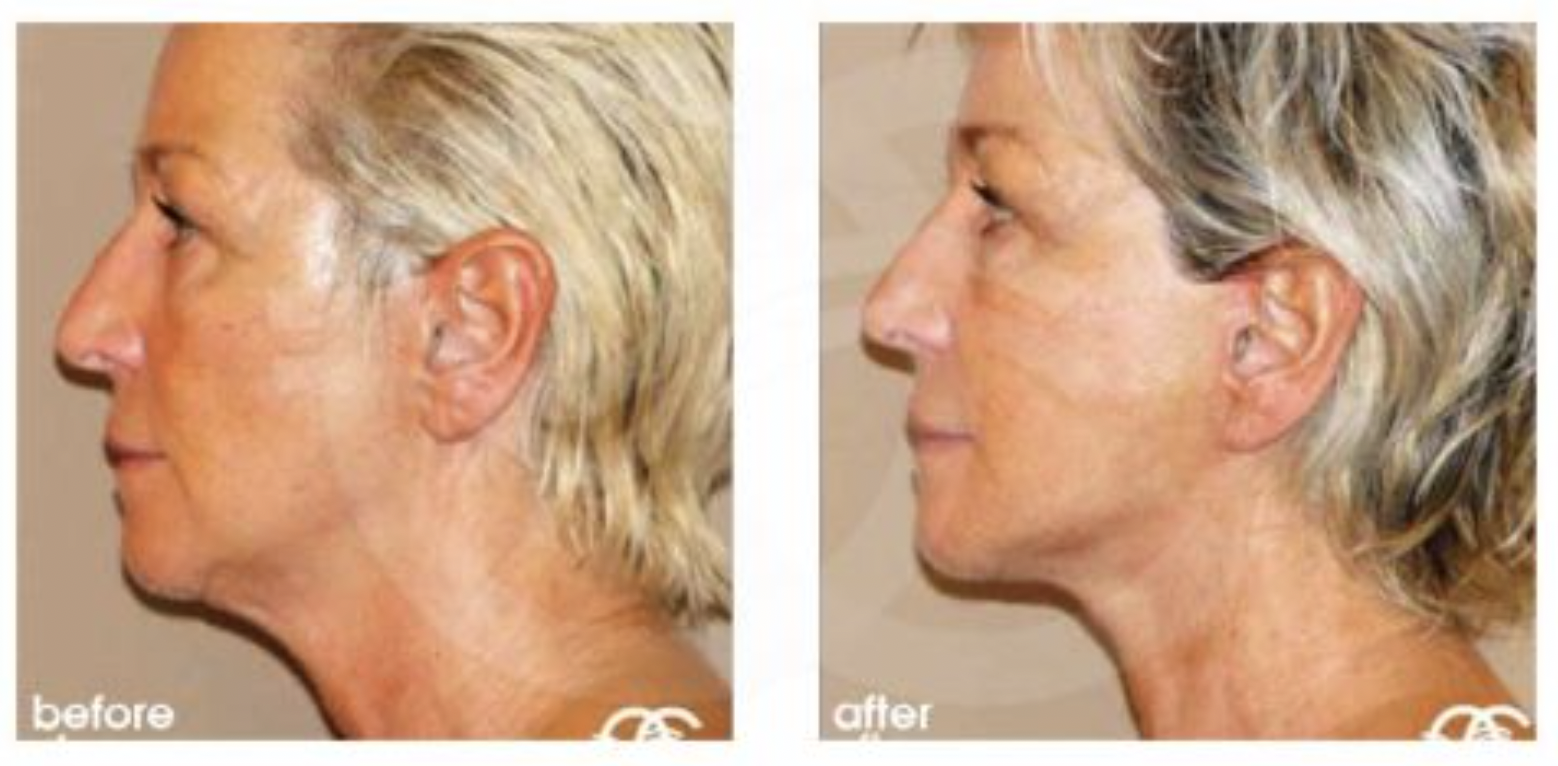
Before & after photos : PAVE facelift and neck lift


If you are considering a facelift, contact our highly professional and experienced team of surgeons at Ocean Clinic, Marbella for a consultation. 

Thursday, 5 January 2023

Do you have unwanted unsightly scars? Here is what you can do about them...

Scars can have a big impact on your life, not only from the way in which you got them - perhaps through a trauma or surgery, but the changes they make to your appearance.


Many people still believe that scars are for life and there's not much you can do about them once they are a part of you; especially when they are the result of a previous surgery. Well, this is not the case - scar correction surgery can often work wonders in reducing the size, smoothing the texture and minimising the visibility of a scar. 


Scar correction can also help in cases where the skin has healed in such a way that it is restricting movement or causing pain as well as reducing burns and deep acne scars. 


Director of Ocean Clinic Group Dr Kai Kaye is a specialist in scar revision, having trained in this field at the Plastic and Reconstructive Surgery Department at the University of Aachen in Germany.


So, what causes bad scarring and what can be done to correct it?


Why do I have a bad scar?


Scarring can turn out badly for a number of reasons. Factors that influence how well you heal include:


  • Your skin type - some people simply scar worse than others. Darker skin is more prone to make the worst scars and people with very pale skin can also be poor scar makers.

  • The location of the scar - if it’s along a joint, on skin which has a lot of movement (on a knee, for example) the scarring will be worse than if it’s on skin that doesn’t move (like behind the ear).

  • The suture technique - if your wound is not stitched up well - or you fail to get medical attention for a wound - it can result in uneven healing.

  • Your aftercare - if you fail to look after your scar during the healing process, for example by exposing it to UV light, it can become discoloured. 


Scar Types:


Beyond normal, fine-line scars, there are four different types of scars that can result in a less than optimal healing outcome:


Keloid scars - A keloid scar is one that’s raised, often red, and goes beyond the boundaries of the original wound. They’re caused by an overgrowth of tissue that happens when too much collagen is produced at the site of a wound. Some people are prone to keloid scarring, especially people with more pigment in their skin. In these individuals, even a simple insect bite can end up in a significant scar. Keloid scars are often itchy or painful and can restrict movement if they're near a joint.


Hypertrophic scars - Like keloid scars, hypertrophic scars are ones that rise above the surface of the skin, however, they do not extend beyond the boundary of the original wound. They’re also the result of an imbalance in collagen at the site of the wound. Hypertrophic scars occur when there is a lot of tension around a healing wound. They may continue to thicken for up to 6 months before gradually improving over a few years.


Atrophic scars -  These are pitted or sunken scars caused by a bad case of acne or chickenpox. They can also develop as a result of an injury that causes a loss of underlying fat.  Atrophic scars stay within the boundary of the original wound and typically occur in the face or on the back.


Scar contractures - Scar contractures are tight scars that occur on a joint. They’re often caused by burns and happen when the skin "shrinks" and pulls on the surrounding tissue. This restricts movement of the joint, which can also make them painful. 


What’s a ‘good’ scar?


A 'good' scar is one that fades to be a barely noticeable fine line that blends in with the surrounding skin tone. It should be placed in the right direction to ensure there is not too much tension exerted on the scar. Wherever possible, the scar should be hidden in the natural folds of the skin, for example beneath the breast or in the groin. 


Experienced surgeons can influence the result through meticulous technique and by using dissolving sutures or glue and removing other stitches early enough to avoid stitch marks. What’s more, proper aftercare - such as using silicone sheets - will ensure best results. 


How can a bad scar be repaired?


If you wish to improve the appearance of a particularly bad scar that is causing you problems whether aesthetic or physically restricting, in addition to surgical excision, there are non-surgical treatments that can help. Usually, the best results can be achieved through a combination of surgical and non-invasive procedures. 


Surgical correction


Scar excision - In simple terms, scar excision is cutting out the existing scar and resealing the wound. But there are a number of different excision techniques a surgeon can use depending on the type of scar you have. For example, extramarginal scar excision involves excision of a small margin of the normal skin along with the scar in order to get normal tissue at the wound margins. On the other hand, intramarginal scar excision is done by cutting away portions of the scar at intervals of 6-12 weeks in order to preserve the normal skin as much as possible.


Tissue expansion - This is a procedure performed to promote the growth of healthy supplementary skin used for the replacement of damaged skin. It’s carried out by placing a balloon-like expander underneath the skin near the damaged region. Over time, the expander is filled with saline (or saltwater) solution causing the skin around it to stretch and grow. Once the new skin has reached its ideal size the tissue expander is removed and the new skin is redistributed, replacing the damaged area of skin. Often, tissue expansion is done before reconstructive burn surgery, using the new skin to replace scar tissue at the burn injury site.


Skin flaps - A skin flap is healthy skin and tissue that is partly detached and moved to cover a nearby wound. Flaps are transferred with their own, original blood supply (pedicle flap) and can be ‘local’ or ‘regional’. Local flaps are flaps that are located adjacent to the scar site. Regional flaps are located at a distance from the donor site and are used for extensively burned contractures on movable areas such as the anterior neck. Sometimes a flap is moved to a new site and the blood vessels are surgically reconnected. This is called a ‘free’ flap.


Skin graft - A skin graft involves removing skin from one area of the body and moving it (without its blood supply) to another. Skin grafts survive as oxygen and nutrients diffuse into them from the underlying wound bed. A ‘split-thickness’ graft involves removing the top layer of the skin (the epidermis) as well as a portion of the deeper layer of the skin, called the dermis, usually harvested from the front or outer thigh, abdomen, buttocks, or back. Split-thickness grafts are used to cover large areas. ‘Full-thickness’ grafts involve removing all of the epidermis and dermis from the donor site. These are usually taken from the abdomen, groin or forearm and are used for small wounds on highly visible parts of the body, such as the face. 


Fat graft - Fat grafting involves the extraction of fat from a donor site on the body (such as the tummy). It’s then processed and used to restore volume under depressed or adherent scars. Because fat tissue is rich in growth factors and stem cells it also results in skin regeneration, with excellent results for scar correction. 


Non-surgical correction


Steroid injections - Especially effective in keloid scars and hypertrophic scars, steroids are injected directly into the scar tissue to help decrease the itching, redness, and burning sensations that these scars may produce. The injections also help to decrease the size of the scar and soften the scar tissue. Injections are repeated over a 3-6 months period, resulting in progressive improvement. 


Laser resurfacing - Laser resurfacing uses high-energy light to burn away damaged skin. Lasers may be used to smooth a scar, remove the abnormal colour of a scar, or flatten a scar. 


Dermabrasion -  Dermabrasion involves removing the top layers of skin with an electrical machine that abrades the skin. As the skin heals from the procedure, the surface appears smoother and fresher. It’s a useful treatment for small surgical scars and acne scars.


Chemical peels - Chemical peels offer another method for resurfacing the skin. A chemical solution is applied to dissolve the top layer of skin. This triggers the skin to regenerate, often improving the appearance of superficial scars and correcting irregular colour.


Microneedling - Tiny needles are used to create micro-injuries to the inner and outer layers of the scar tissue, triggering the body’s healing process. By encouraging the production of new collagen and elastin, microneedling improves the texture of the scar. The channels created by the needles can also be used for the deep delivery of topical creams. 


Ultrasound treatment - Ultherapy is an ultrasound treatment used to stimulate collagen and elastin. It does this by heating the layers beneath the skin and creating thermal microtrauma - this leads to a reformation of elastic fibres and improves the appearance of scars. 


Hyaluronic acid filler - To fill atrophic scars (sunken or pitted), Radiesse, an injectable filler and biostimulator can be used. The filler is diluted (mixed with saline and lidocaine to 'thin it') and injected superficially. As well as adding volume and making the surface of the scar smoother, it can help to improve discolouration. 


Downtime and aftercare


In most cases, scar correction treatment can be done on an outpatient basis and requires little to no downtime. Only when extensive skin grafting is required do patients need to stay overnight in the clinic. 


To achieve the best possible results, all our scar correction treatments include advanced scar care dressings. Silicone sheets and patches are important tools as they help to soften and decrease the redness of scars. 


We also provide compression garments to wear over the treated area and apply pressure to the scar. Especially useful in the treatment of burn scars, pressure therapy may be applied continuously for many months in order to avoid the scar elevating above the surrounding skin level and to reduce itching, redness and swelling.


If you would you like to know more on how the appearance of your scar could be improved please Contact Ocean Clinic to book a consultation.