Monday, 24 May 2021

Q&A with Ocean Clinic's New Surgeon Dr Marco Ranieri

 Ocean Clinic Marbella has welcomed a new plastic surgeon, Dr Marco Ranieri, to the team. 


Dr Ranieri hails from Italy and studied medicine at the University of Rome. He went on to specialise in reconstructive plastic surgery at the University of Regensburg in Germany and now has a focus on aesthetics, honing his skills under Ocean Clinic’s surgical director Dr Kai Kaye. 

We asked Dr Ranieri about his new role at Ocean Clinic and what he’s hoping to achieve here in Marbella. 


What attracted you to move to Spain and join Ocean Clinic?


I made my residency in plastic surgery in Germany, which is where I first met Dr Kaye, at a congress in 2016. I’ve been aware of Ocean Clinic and Dr Kaye’s work since then but up until last year, I was focused more on reconstructive surgery.


I decided I wanted to make a change and start to do more aesthetics. I came to Spain and started to work in another clinic doing aesthetic surgery. At the same time, I became a member of the International Society of Aesthetic and Plastic Surgery (ISAPS). Dr Kaye is heavily involved with ISAPS and has a month-long fellowship for residents and associate members of the society. For this reason, I came here to do a one-month fellowship. Then Dr Kaye offered me a permanent position and I stayed!


Do you have any particular plastic surgery specialities?


The areas I’m especially interested in are aesthetic breast surgeries, rhinoplasties and also body contouring.


You've published a number of peer-reviewed papers - what subjects have they been on?


I published seven papers about reconstruction surgery while I was a resident at university. The topics have included PRP (platelet rich plasma) treatments, fat stem cells and interaction with hyperbaric oxygenation as well as general oxygen vascularization in the tissue after a surgical procedure.


Are you working on any research projects currently? 


I’ve joined the projects that they’re doing here in the Ocean Clinic. They are doing a lot of projects about dermal fillers and other surgical and non surgical anti-ageing treatments. 


Is there any particular procedure you’re hoping to do more of now you’re at Ocean Clinic?


I would definitely like to focus on face aesthetic surgeries because Dr Kaye is really a master in performing those procedures. And I would also like to do more composite breast augmentation surgeries. Composite means you’re using breast implants and the patient’s own fat. This gives us the possibility to use smaller implants, achieving more natural-looking and longer lasting results. Those are techniques that Dr Kaye uses often and has perfected so it’s something I also want to become specialised in. 


You speak many languages. Are you hoping to attract patients of more nationalities to the clinic?

I hope so! Italian is my first language but I also speak German, English and Spanish. And I’m currently learning Russian. Ocean Clinic has an international client base so being multilingual helps me to effectively communicate with patients.  


And finally, what are you most enjoying about being part of the team at Ocean Clinic?


I’m very much enjoying working with the team because there is very good harmony in the clinic. The life of a surgeon can be very stressful because there is pressure to achieve the best aesthetic results, so if you also work in a stressful environment, that stress is doubled. Here you don’t have that and you can concentrate and enjoy your work.


I’m also happy to be working with Dr Kaye. He is a very good teacher and I’m learning a lot from him every day. My target is that one day I will have the skills that he has and be an excellent all-round aesthetic surgeon.


Want an appointment with Dr Ranieri? Contact Ocean Clinic by telephone: (+34) 951 77 55 18 or by email: info@oceanclinic.net 

Monday, 17 May 2021

Nasal Tip Surgery: Master the Tip, Master the Nose

Rhinoplasty doesn’t always involve the nasal bones - nasal tip surgery focuses on reshaping just the nose cartilage. 


The shape of the tip of the nose has a big influence on the overall appearance of the nose. A tip that is too wide, or too pointy, can diminish the overall beauty of the face. 


Not only can nasal tip surgery deliver great aesthetic results, but it also has a quicker recovery time than a full nose job, without the black eyes associated with breaking the nose. Read on to find out if you’d be a good candidate for nasal tip surgery…


What is nasal tip surgery?


Nasal tip surgery is sometimes called a “mini nose job” because it can make some aesthetic improvements to your nose using less invasive surgery techniques. Small pieces of cartilage are removed, with the remaining cartilage stitched together to create a more refined nasal tip. In cases where the patient has very thick skin, the skin is also thinned out. 


Who can benefit from nasal tip surgery?


Nose tip reshaping is most frequently carried out in conjunction with full rhinoplasty surgery. Filing the bone is the only way to tackle issues such as a dorsal hump. But if your aesthetic concerns relate to the end of your nose, and your nose is otherwise free of lumps and bumps, nasal tip surgery could be perfect for you.


Here’s what can be achieved with nose tip reshaping surgery:


  • Shortening of the nose

  • Lifting of a drooping nose tip

  • Reduction of a bulbous or wide nose tip

  • Widening of a narrow nose tip

  • Reduction of flared nostrils 

  • Reshaping of nostrils/columella (the bit between the nostrils)


Nasal tip surgery for a long or drooping nose


An overly large nasal tip or hanging columella can often cause the nose to look long or droopy. 

The angle of the tip of the nose (the amount the nose is turned up) also plays an important role. 


Measured from the lip up, the ideal range of rotation is 90 to 100 degrees for men and 95 to 110 degrees for women. A female nose that is rotated less than 90 degrees to the face is ‘over-projected’ and therefore looks droopy, long and masculine.


To bring the rotation into the ideal range, the nasal tip and/or columella needs to be reduced in size. Excess tissue is removed during surgery and sutures are placed to lift the tip and alter the angle of the nose.


It’s worth noting that a temporary improvement in the appearance of a drooping nasal tip can be achieved with a cosmetic injection of muscle relaxant. A small amount is injected at the base of the nose in between the nostrils, or possibly into the nose tip itself. This relaxes the fibres of the depressor muscle that pulls the nose downward and lifts the nose for 4 to 6 months. 


Nasal tip surgery for a bulbous, wide or narrow nose

A bulbous nose is one that appears to have a "ball" on the end. This ball is typically due to excessive width of the cartilage, excessive “spring” to the cartilage making them bowed, or cartilages that are spaced too far apart, giving the nose a boxy appearance. Sometimes a bulbous tip can be due to thick nasal tip skin. 

The ideal nasal tip shape should be triangular when viewed from below but without sharp edges or angles (called a soft triangle). The actual tip of the nose should be approximately 1/3 of the width of the nostrils. There should be a gentle transition from the tip of the nose to the nostrils, without any sharp creases or edges. 

For those who feel the tip of their nose is too narrow or pointy, the nasal tip can be widened by using cartilage grafts. The angle of the nasal tip may also be adjusted, resulting in a more flattering angle and better definition of the shape of the nose.

Nasal tip surgery for reshaping of nostrils 

The rim of the nostrils is called the alar rim. If the alar rim is retracted it can mean too much nostril is showing and if the alar rim is hanging it can give the nose an unattractive shape. Sometimes the nostrils appear too wide or flared or they may be asymmetrical. 


Alarplasty (the name given to nasal tip surgery that’s focused on the nostrils) can reshape and resize your nostrils to suit your nose. The correction is carried out by excising a small amount of skin from the nostrils and moving the cartilage. Sometimes cartilage grafting is needed.

In many cases, the result is that the base of the nose looks narrower and the nose appears more symmetrical. Issues with the alar can be as a result of previous rhinoplasty surgery (or facial injury), and an alarplasty is a good way to refine the results.


How long is recovery from nasal tip surgery?

Because nasal tip surgery involves reshaping only skin and cartilage and none of the underlying bones, recovery time is typically shorter than a full rhinoplasty. Bruising will be comparatively minimal and should be more or less gone within 8-10 days. The nose will be swollen at this point but not noticeable to others. 


Swelling of the nasal tip resolves slowly, and it can take a full year for the swelling to completely subside. Despite this, most patients are thrilled with the appearance of their nose once the tape comes off and know it will only get smaller over time. One of the great things about nasal tip surgery is that it can be more subtle than full rhinoplasty so you won’t risk looking “overdone” or drastically different. This surgery simply helps to balance the symmetry of your facial proportions.

Would you like to know more about nasal tip surgery? Contact Ocean Clinic for a free consultation.

Tuesday, 4 May 2021

What is HIFU and what can it do for your face?

Have you heard of the term HIFU and wondered what it is? HIFU stands for ‘High Intensity Focused Ultrasound’ and it’s a treatment that uses ultrasound to lift and tighten the skin on the face. Interested to know how it works? Read on!


How does HIFU work?


The science behind HIFU is based on heating the tissue underneath the skin in order to jump-start your body’s own process to create fresh, new collagen. Collagen is the protein that gives skin its youthfulness by keeping it firm and toned - and it’s something we lose as we age. 


HIFU uses microfocused ultrasound energy to bypass the surface of the skin and target tissue at exactly the right depths and at the right temperature. Different handpieces can be used to reach tissue at three different depths: 1.5mm, 3.0mm and 4.5mm. The 4.5mm depth is what sets ultrasound technology apart from other technologies, like radiofrequency. Radiofrequency cannot reach the depths of 4.5mm. 


4.5mm depth - Targets the ‘SMAS’ layer. The SMAS layer is the deep muscle layer of the face that is tightened in facelift surgery.


3.0mm depth - Targets the connective tissue, which is made up of a mesh of elastin and collagenous fibres, in order to strengthen the skin’s foundation.


1.5mm - Targets the epidermis of the skin (upper layer) to refine pores, improve skin tone, and reduce fine lines.

What’s the difference between HIFU and Ultherapy?


HIFU and Ultherapy are often talked about interchangeably and it can be confusing. HIFU is the name of the technology and Ultherapy is a brand name. There are a number of HIFU brands on the market but at Ocean Clinic we use Ultherapy. Why? Ultherapy is the only machine that offers ultrasound imaging. This allows doctors to scan and analyse your skin during treatment. 

It means that vital structures, such as blood vessels and bone, can be avoided, giving you a safer treatment experience. 


What’s more, Ultherapy is the only HIFU machine that’s been approved by the US Food and Drug Administration (FDA) as safe and effective for lifting skin and reducing wrinkles on the face, neck and décolletage. 

What happens during Ultherapy treatment?


Ultherapy is an entirely non-invasive, minimally painful treatment and most patients require only one session to see results. It will begin with a consultation with your doctor who will assess the specific areas to be treated. A numbing cream will then be applied and left to penetrate the skin for around 30 minutes. 


Next, the Ultherapy treatment will be performed by a qualified medical doctor. Real-time imaging via ultrasound lets the doctor identify and target the areas that require treatment. You may experience a warm or tingling sensation beneath the surface of the skin but it should not be painful.


The length of your treatment will depend on the area being treated and your individual treatment plan. A face and neck procedure typically takes 60-90 minutes, while treatment for the upper chest (or décolletage) takes approximately 30 minutes.


After treatment, you can return to your normal activities immediately without any post-treatment restrictions or requirements - it’s why Ultherapy is sometimes referred to as a lunchtime facelift! In terms of side effects, your skin might initially appear flushed but the redness should disappear within a few hours. Some patients experience slight swelling, tingling, or tenderness to the touch, but these are mild and don’t last long.


What are the results of Ultherapy?


Some patients see an initial effect right after their treatment, but the real results appear over two to three months as new collagen works to lift and tighten skin on the neck, chin and brow as well as smooth skin on the chest. 


The improvements can continue to appear for six months or even longer - one study found that 95% of patients were satisfied with their results after one year. The results are gradual and natural-looking and, although Ultherapy won’t duplicate the results of a facelift, it’s a good alternative for those not ready for surgery. 


The proven results of Ultherapy are supported by over 50 clinical studies and 90 peer-reviewed papers. To date, there have been more than 1.5 million treatments with Ultherapy globally. It’s been shown to:


  • Reduce wrinkles by 11%

  • Increase skin elasticity by 19%

  • Improve facial lifting by 9%

  • Increase moisture content by 4.5%

  • Decrease pore size by 27%

  • Increase dermal density by 30%


Are the results from Ulterapy permanent?


The results are permanent in the sense that you will always look better than you otherwise would have had you not had the procedure due to the creation of new collagen. You will notice the benefits for several years but it’s important to note that Ultherapy will not stop the ageing process. Collagen will continue to break down as time goes by. To maintain it, you can choose to have a touch-up procedure after a couple of years.

Who is a good candidate for Ultherapy?


The ideal Ultherapy candidate is anyone who is interested in age reversal, although the treatment will never replace the results of a surgical facelift. A facelift will result in more lifting and tightening since excess skin is removed but you may choose Ultherapy instead if:


  1. You don’t “need” a facelift yet (younger patient)

  2. You cannot medically undergo a surgical procedure

  3. You don’t want a surgical procedure

  4. You’ve had previous surgery and want a little touch-up


It’s best to see a doctor who offers both Ultherapy and facelift surgery and is able to give you an unbiased opinion.


Want to find out if Ultherapy is a good treatment for you? Contact Ocean Clinic on (+34) 951 77 55 18.


Monday, 12 April 2021

4 of The Best Summer Body Treatments

With Spain’s State of Alarm set to end and the vaccination programme well underway, it looks like summer could be saved. And that means getting back to the beaches and pool clubs of Marbella! But will you be ready?


Lots of us let our fitness and beauty regimes slide a little bit over 2020 and, as a result, might not be as excited as we should be at the prospect of getting back into swimwear. 


If you’re not looking forward to stripping off, don’t worry! In this blog post, we’re going to lay out the 4 best non-surgical treatments for getting beach body confident.


Best for fat loss: Coolsculpting 


Coolsculpting is a non-surgical treatment that reduces stubborn fat bulges using fat freezing technology. Fat cells don’t like the cold and at a certain temperature, they will freeze and die. Once that happens, your body will naturally eliminate the dead cells in 1-3 months, resulting in up to 20%-25% reduction of fat in a treated area.


Coolsculpting can be used to get rid of fat on the thighs, abdomen and flanks. It’s also effective for bra fat, back fat, underneath the buttocks and upper arms. Patients can start to see a difference after as little as one treatment. It’s totally painless and can be done in between 35 and 75 minutes.


Best for cellulite: Cellfina


Cellfina can significantly improve the appearance of cellulite on your buttocks and thighs in just one 45-minute session. Cellfina technology is based on a procedure called subcision. It involves using a tiny blade inserted under the skin to cut and release the tight fibrous bands that cause skin puckering (a numbing solution is used to make sure you don’t feel pain). Once released, the cellulite dimples bounce back and become smooth again.


Cellfina can also treat scars and wrinkles. Results can be seen in as little as three days and can last up to three years. According to a study, one Cellfina treatment improved the appearance of cellulite in 98% of people two years after they had the procedure.


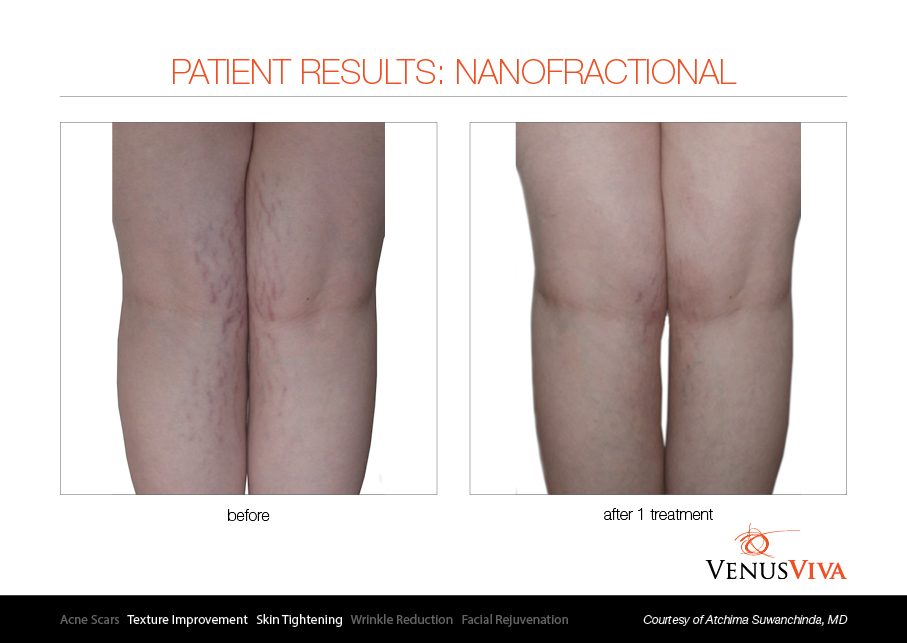
Best for stretch marks: Venus Viva & Dermapen 4


Ocean Clinic has its own magic combo treatment for stretch marks, it combines Venus Viva with Dermapen 4, two non-invasive, pain-free treatments. Venus Viva is a skin resurfacing treatment that uses nanofractional radiofrequency to heat the cells deep in the dermis. This stimulates collagen production and encourages the skin to repair itself. As the skin regains elasticity and tightens, stretch marks become smoothed out. A published clinical study showed 97% patient satisfaction for overall improvement. 


The effect of Venus Viva is enhanced with Dermapen, the only microneedling device with a dedicated setting for stretch mark scars. The pen uses 12 tiny needles to create microscopic punctures to the inner and outer layers of skin. This results in a regeneration of the collagen and other elastic fibres (read more about our protocol for treating severe stretch marks).


Best for skin tightening: Exilis Elite


Exilis Elite is a non-invasive body contouring device designed to tighten skin while also reducing fat. It uses a unique combination of radiofrequency, ultrasound and skin cooling. The aim of the treatment is to precisely heat the skin and tissue at different depths using focused thermal energy. Doing this at 40-42°C for 5 minutes in each treatment area leads to the unravelling of collagen structures.


Over time, the healing process encourages the production of new collagen fibres, helping to tighten loose or slightly sagging skin. At the same time, the treatment targets fat cell membranes, releasing liquid fat inside the cells. This makes them shrink, resulting in the treated area becoming trimmer and more toned. Exilis Elite can be used to treat love handles, bingo wings (flabby arms), saddlebags on hips, flabby thighs and post-baby tummies. It takes between 4-8 sessions but the results are permanent, providing you maintain your weight.


Go from zero to confident in no time!


All of these treatments are non-surgical, can be carried out quickly and don’t require any downtime. It means you can be looking and feeling good in next to no time, and ready to hit the beach. If, however, you’re looking to achieve more significant results, consider our surgical body treatments including liposuction, tummy tuck and breast and buttock enhancement. 


For more information on any treatment, surgical or non-surgical, contact Ocean Clinic on (+34) 951 77 55 18 or by email: info@oceanclinic.net 


Tuesday, 23 March 2021

Aftercare: What Happens After Your Surgery at Ocean Clinic?

At Ocean Clinic, we believe how our patients are treated after their surgery is just as important as before. Our aftercare programme starts the moment you leave the operating theatre and continues throughout your recovery. 


Your own room


Immediately after your surgery at Ocean Clinic Marbella you’ll be taken to the recovery room to come round from the anesthesia. Once you are awake, you’ll be assisted to your private room. The day surgery rooms, which overlook Marbella’s iconic Alameda Park, are designed to make you as comfortable as possible. Each one features an en suite bathroom, flat-screen TV, Wi-Fi, air conditioning and large sofa for visitors.


Round the clock care


You’ll be assigned a nurse who will take care of you, bringing you refreshments, changing your dressings and helping you manage your pain with intravenous painkillers. If you’ve had a facial procedure, you might be given a cooling face mask to wear. The mask has iced water continuously pumped through it and helps to minimise bruising and swelling. 


If you choose the option of staying on in our adjoining recovery facility you’ll be able to choose a hot meal from a local restaurant, which will be brought to you in your room. To make you as comfortable as possible overnight, you’ll be given medication to help you sleep and you will be able to call for a care nurse at any time. 


Getting discharged


After your surgery, you’ll be checked several times by Ocean Clinic’s surgeons to see how you’re feeling. Before you’re discharged, you’ll be fitted with any compression garments that you might be required to wear. And you’ll be advised on how to take care of yourself when you get home. This will include the medications you need to take, any creams to apply and guidance about bathing, sleeping and activity levels. You’ll be given a 24-hour contact number so you can always speak to someone if you have any concerns. 


Follow-up appointments


A week after surgery, you’ll be asked to return to the clinic for your first follow-up appointment. You’ll have your dressings changed or bandages removed, and you might be ready to have your stitches removed too. 


Something we’re proud to offer all our surgical patients is a course of lymphatic drainage massages with our physiotherapist Silvia Pino. The purpose of the lymphatic massage is to help reduce swelling by moving waste fluids from the treated areas. While you receive the massage, you will wear some special ‘trousers’ that inflate, placing gentle pressure on the legs to encourage fluid circulation. 

You’ll also be treated with either ultrasound or radiofrequency therapy, which help to speed up healing and prevent the formation of scar tissue. They do this by heating the layers beneath the skin and triggering the production of collagen and elastin. Both of these treatments are non-invasive and completely painless. 


On-going support


You’ll visit the clinic for a number of weeks to receive post-operative care and you’ll always be able to speak to a specialist on your visit if you’re experiencing any issues. When your treatment course is complete, you’ll have a final appointment with your surgeon so they can sign-off on your results, and take photographs for your medical record. 


Importantly, you’ll always be able to contact Ocean Clinic and speak with a surgeon at any point in the future, giving you reassurance that you have on-going support. Our patient testimonials underline our commitment to first-class care at all stages of your treatment. Contact us to make a consultation if you’d like to know more.